24 / 01 / 2022, 28 / 01 / 2022, 31 / 01 / 2022, 04 / 02 / 2022
CHAPTER- 11 NATURAL RESOURCES AND THEIR CONSERVATION
SCIENCE

Topics to be covered:-
~Introduction
~Resource
~Classification of Natural Resources
~Inexhaustible Resources
~Rainwater harvesting
MAIN TEACHING :-
Oral and Explanation Online with some written work and slides.
There are so many things which are of immense value to us. They become our resources. These resources need to be taken care of, otherwise we will fall short of these resources.
Resource
 Natural Resources
There are many resources that exist in nature. These resources are useful for the living beings especially human beings. These resources can be called as natural
resources.
 Classification of Natural Resources
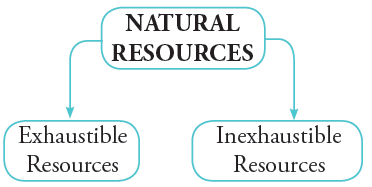 Inexhaustible Resources
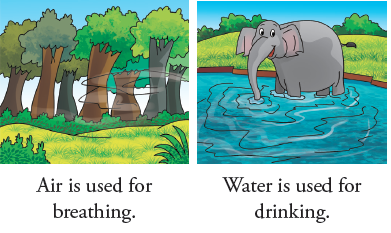
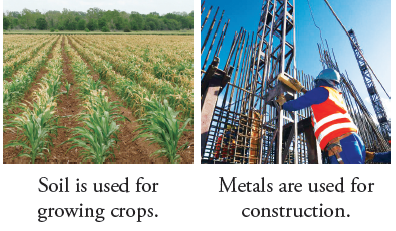
 Inexhaustible resources are present in large quantities in the environment and hence such resources will not run out with time. Some of these resources are air, water and soil.
Air
• All living things need air to breathe in.
• Plants need carbon dioxide of air for photosynthesis.
• Air is needed for freshness.
• Air in the form of winds help to bring rainfall.
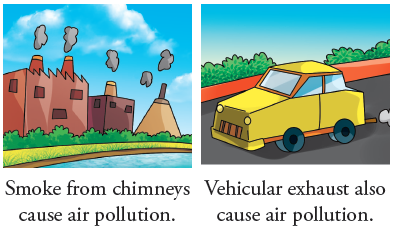
Adding harmful substances to air cause air pollution. This polluted air is harmful for all living beings especially human beings. Inhaling impure air can cause breathing problems.
 Water
Water
• All living organisms need water for drinking.
• It satisfies the other needs like washing, cooking, bathing etc.
• It prevents the drying up of plants.
• It helps to maintain water cycle.
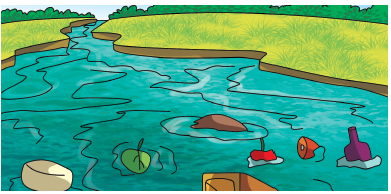 The addition of unwanted substances to water cause water pollution. This polluted water is harmful for all living beings. It causes diseases like diarrhoea and cholera.
Soil
• Soil helps to fix plants and helps them to absorb water and nutrients.
• It is a reserve of nutrients.
Adding harmful substances to soil result in soil pollution. The farmers generally add insecticides, pesticides and fertilizers which pollutes the soil. The plants grown
in such soil are found to contain all these components in more or less amounts. Deforestation also leads to soil erosion.
Resource
There are many resources that exist in nature. These resources are useful for the living beings especially human beings. These resources can be called as natural
resources.
Examples :
Air
• All living things need air to breathe in.
• Plants need carbon dioxide of air for photosynthesis.
• Air is needed for freshness.
• Air in the form of winds help to bring rainfall.
Adding harmful substances to air cause air pollution. This polluted air is harmful for all living beings especially human beings. Inhaling impure air can cause breathing problems.
• All living organisms need water for drinking.
• It satisfies the other needs like washing, cooking, bathing etc.
• It prevents the drying up of plants.
• It helps to maintain water cycle.
Soil
• Soil helps to fix plants and helps them to absorb water and nutrients.
• It is a reserve of nutrients.
Adding harmful substances to soil result in soil pollution. The farmers generally add insecticides, pesticides and fertilizers which pollutes the soil. The plants grown
in such soil are found to contain all these components in more or less amounts. Deforestation also leads to soil erosion.
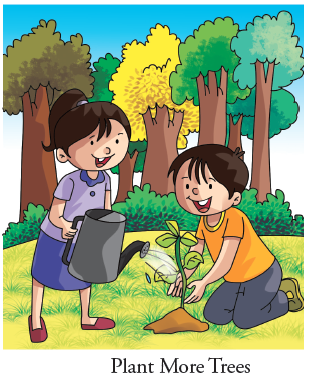
It helps to decrease air pollution by giving lot of oxygen. It increases the natural resources like timber, rubber, gums and resins.
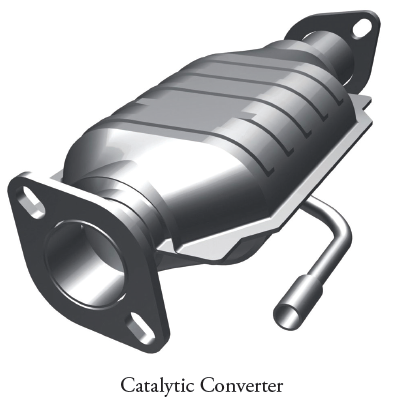
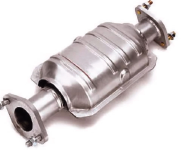
 Catalytic converters are fitted inside the vehicles. These converters change the harmful substances from the vehicular exhaust into less harmful and clean products.
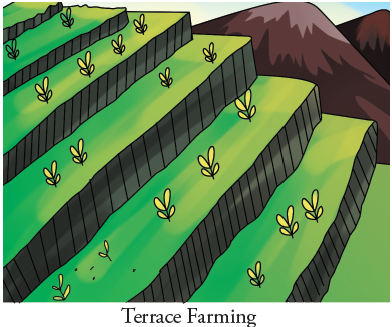
 Terrace farming is a method to prevent the soil erosion in hilly areas. It helps to conserve soil and also increases the productivity of soil.
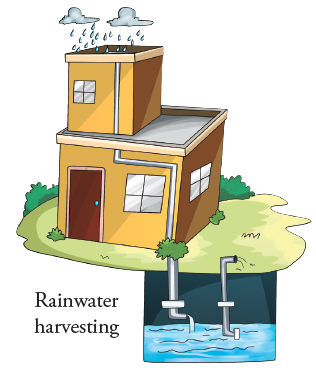
 Rainwater harvesting is used to conserve water. In this method, the water that falls on the roof of our house is not allowed to go waste. It is filtered and then sent
into a deep hole in the ground. It helps to increase the groundwater level.
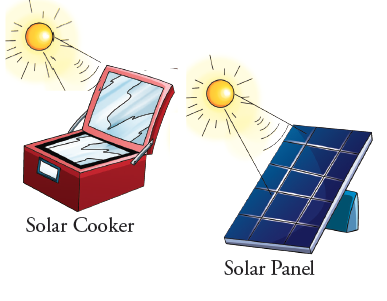
 Fossil fuels will exhaust if not used judiciously, hence solar energy should be used because it is a renewable source of energy. Today, solar cookers, solar cell panels, solar heaters are used in various parts of the country.
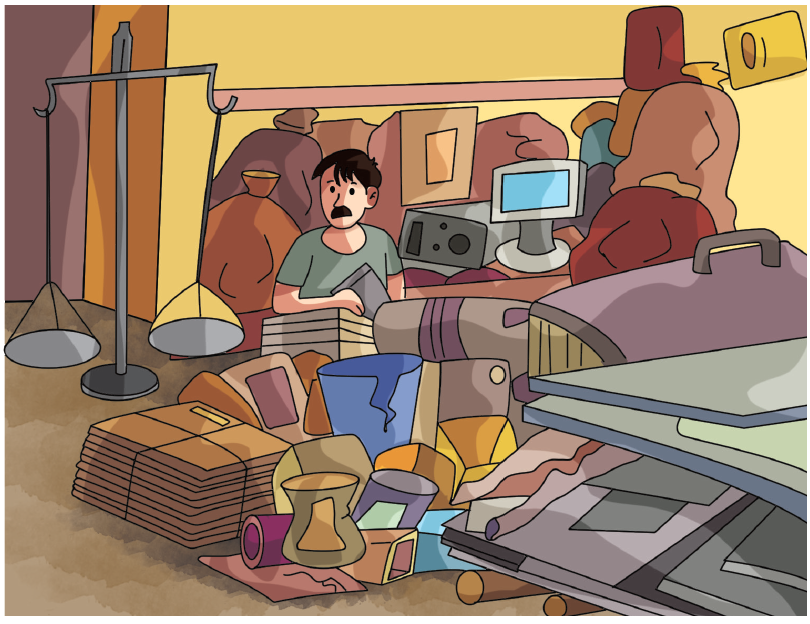
 The aluminium foil, paper, cans etc. are all recyclable, so after using they should be nicely collected and then given for recycling. This method saves lot of trees from being cut and lot of minerals to be dug from earth.
into a deep hole in the ground. It helps to increase the groundwater level.
NOW WATCH THE VIDEOS
ASSIGNMENTS
Complete all the questions given below in your OCB (Online Classes Ex-books)
A) Tick (√ ) the correct option:-
Q.1) All the substance that we obtain from nature are called
- God gift
- Manmade resources
- Natural resources
- Forest resources
Q.2) Which of the following is not a natural resource?
- Soil
- Coal
- Plastic
- Water
Q.3) Plants and animals living in an area form
- Community
- Ecosystem
- Population
- Plankton
Q.4) The uppermost fertile layer of earth crest is called
- Soil
- Element
- Humus
- Metal
Q.5) Which of the following is a renewable natural resource?
- Natural gas
- Coal
- Sunlight
- Petrol
Q.6) Agriculture is also known as
- Cropping
- Farming
- Cultivation
- Horticulture
Q.7) Ozone layer protect us from
- Violet rays
- Ultra violet rays
- Visible rays
- Infra red rays
Q.8) Which one is a abiotic factor of environment
- Air
- Consumer
- Decomposer
- Producer
Q.9) The minerals from which we get metals are called
- Natural minerals
- Non-metallic minerals
- Magnetic minerals
- Metallic minerals
Q.10) Which of the following is the main source of fresh water?
- River
- Ponds
- Oceans
- Rainfall
- B) Answer the following questions:-
- What is a natural resource? Give two examples.
- What is the difference between renewable energy and non-renewable energy sources?
- How do we use river water?
- How does cutting down trees affect soil?
- Name four minerals.
- How was petroleum formed?
10 / 01 / 2022, 17 / 01 / 2022 , 21 / 01 / 2022
CHAPTER- 10 THE SOLAR SYSTEM
SCIENCE
Topics to be covered:-
~Introduction
~Stars
~Constellations
~solar system
MAIN TEACHING :-
Oral and Explanation Online with some written work and slides.
All heavenly bodies like the sun, the moon and all the stars in the sky are part of our universe. Of all the things present in the universe, the sun is the most important to
us. Sun has heat and light of its own and hence it is also known as star.
 Stars
Stars
A star is a huge ball of hot gases. It has heat and light of its own. The nearest star to our earth is sun. It seems bigger and brighter because it is close to us. Many other stars are bigger and brighter than the sun but they appear smaller because they are away from us.
 Sometimes, we come across a bright star in the northern sky. This is called the pole star.
Constellations
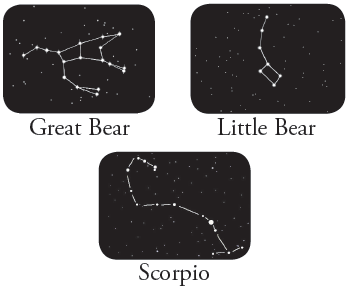
Cluster of stars that form a definite shape or pattern in the sky are called constellations. These patterns resemble some familiar things like animal or man. Great Bear, Little Bear and Scropio are some of the constellations.
 Solar System
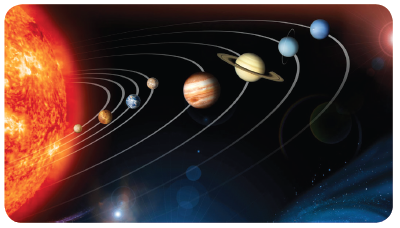
The sun’s family is known as solar system. It comprises of the sun, eight planets, their satellites and other heavenly bodies. The sun is in the centre and other bodies
revolve around it. The surface of sun is made-up of hydrogen gas. This hydrogen burns to give heat and light.
 Planets
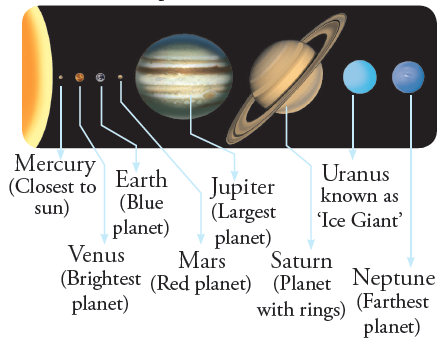
Planets are heavenly bodies that move around the sun in elliptical paths called orbits.
Planets do not have their own light. They reflect the light of the sun that falls on them. There are eight planets in our solar system. Pluto was earlier considered
as the ninth planet but now it is no longer consider as a planet.
 Satellites
Heavenly bodies that revolve around a planet are known as satellites.
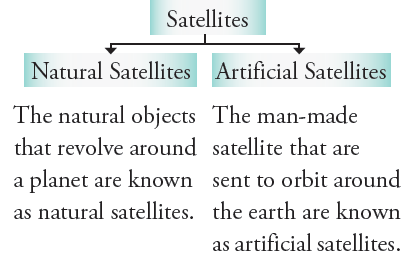
Moon is the natural satellite of earth.
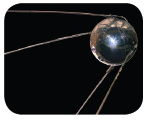
 Sputnik I was the first man-made satellite launched by U.S.S.R.
 Some Artificial Satellites
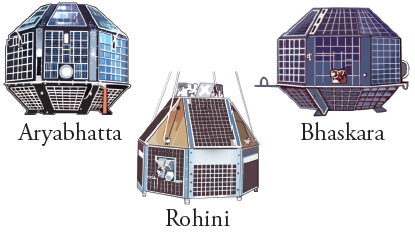
Sputnik I was the first man-made satellite launched by U.S.S.R. Aryabhatta was the first satellite launched by India. Some other Indian satellites are Insat IA, Rohini, Bhaskara etc.
 How do Satellites help us ?
Satellites orbit around the planet in definite orbits. These satellites give us lots of informations about space.
• Weather satellites help us by forecasting weather, floods, forest fire and glaciers.
• Communication satellites help us in communication through mobiles.
• Many of our favourite programmes on televisions are also broadcast with the help of satellites.
Earth
The planet earth where we live is a beautiful planet. It comprises of land and water, deserts and oceans, hills and plains. It shows two types of motion, i.e., rotation
and revolution. Let us understand few terms before moving ahead.
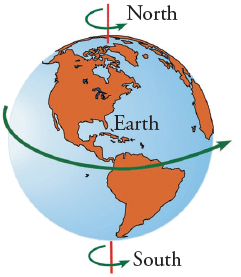
Axis : Axis of the earth is an imaginary line that runs through the centre of the earth. This axis is slightly tilted.
Poles : The two points where the axis seems to enter are called the poles.
Equator : The imaginary line that divides earth into two equal halves is called equator.
Northern hemisphere : The upper half is known as northern hemisphere.
Southern hemisphere : The lower half is known as southern hemisphere.
Movement of the Earth
Revolution : The earth moves around the sun. This movement of the earth is called revolution.
Rotation : The earth spins on its axis. This movement of the earth is called rotation.
Orbit : The revolution of earth takes place in a fixed path called orbit.
Solar year : Earth takes 365¼ days to complete one revolution. This time period is called a solar year.
Effect of Earth’s movement
Day and night
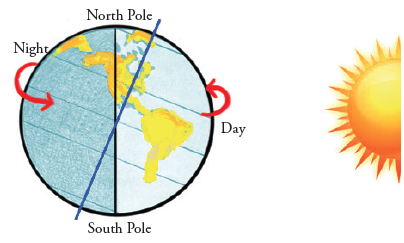 Rotation of the earth causes day and night. As the earth rotates, one half of it faces the sun. The part that faces the sun has day and the part that faces away from sun has night. It takes 24 hours for the earth to rotate once on its axis.
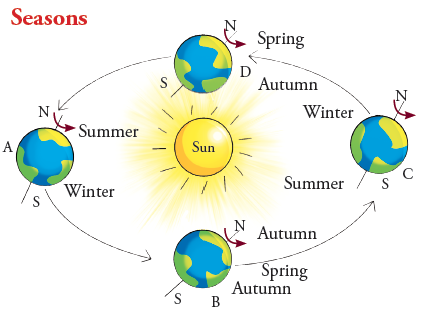
Explanation : The earth revolves around the sun. But its axis always remain inclined in the same direction. The earth takes 365¼ days to orbit around the sun.
Position A : In position A, the northern hemisphere is tilted towards the sun and has summer. The southern hemisphere is tilted away from sun and has winter.
Note : Days are longer in summers and nights are longer in winters.
Position B : In position B, days and nights are equal and it is autumn season.
Position C : In position C, the southern hemisphere is tilted towards the sun and has summer. The northern hemisphere is tilted away from sun and has winter.
Position D : In position D, again days and nights are equal. This is the spring season.
Why does the moon look different every night?
The moon appears to be of different shapes because we only see the part of the moon, which is lit up by the sun and this is different on each day. These changes in
the moon’s shape are called phases of the moon.

us. Sun has heat and light of its own and hence it is also known as star.
A star is a huge ball of hot gases. It has heat and light of its own. The nearest star to our earth is sun. It seems bigger and brighter because it is close to us. Many other stars are bigger and brighter than the sun but they appear smaller because they are away from us.
Constellations
Cluster of stars that form a definite shape or pattern in the sky are called constellations. These patterns resemble some familiar things like animal or man. Great Bear, Little Bear and Scropio are some of the constellations.
The sun’s family is known as solar system. It comprises of the sun, eight planets, their satellites and other heavenly bodies. The sun is in the centre and other bodies
revolve around it. The surface of sun is made-up of hydrogen gas. This hydrogen burns to give heat and light.
Planets are heavenly bodies that move around the sun in elliptical paths called orbits.
Planets do not have their own light. They reflect the light of the sun that falls on them. There are eight planets in our solar system. Pluto was earlier considered
as the ninth planet but now it is no longer consider as a planet.
Heavenly bodies that revolve around a planet are known as satellites.
Example :
Moon is the natural satellite of earth.
Sputnik I was the first man-made satellite launched by U.S.S.R. Aryabhatta was the first satellite launched by India. Some other Indian satellites are Insat IA, Rohini, Bhaskara etc.
Satellites orbit around the planet in definite orbits. These satellites give us lots of informations about space.
• Weather satellites help us by forecasting weather, floods, forest fire and glaciers.
• Communication satellites help us in communication through mobiles.
• Many of our favourite programmes on televisions are also broadcast with the help of satellites.
Earth
The planet earth where we live is a beautiful planet. It comprises of land and water, deserts and oceans, hills and plains. It shows two types of motion, i.e., rotation
and revolution. Let us understand few terms before moving ahead.
Axis : Axis of the earth is an imaginary line that runs through the centre of the earth. This axis is slightly tilted.
Poles : The two points where the axis seems to enter are called the poles.
Equator : The imaginary line that divides earth into two equal halves is called equator.
Northern hemisphere : The upper half is known as northern hemisphere.
Southern hemisphere : The lower half is known as southern hemisphere.
Movement of the Earth
Revolution : The earth moves around the sun. This movement of the earth is called revolution.
Rotation : The earth spins on its axis. This movement of the earth is called rotation.
Orbit : The revolution of earth takes place in a fixed path called orbit.
Solar year : Earth takes 365¼ days to complete one revolution. This time period is called a solar year.
Effect of Earth’s movement
Day and night
Explanation : The earth revolves around the sun. But its axis always remain inclined in the same direction. The earth takes 365¼ days to orbit around the sun.
Position A : In position A, the northern hemisphere is tilted towards the sun and has summer. The southern hemisphere is tilted away from sun and has winter.
Note : Days are longer in summers and nights are longer in winters.
Position B : In position B, days and nights are equal and it is autumn season.
Position C : In position C, the southern hemisphere is tilted towards the sun and has summer. The northern hemisphere is tilted away from sun and has winter.
Position D : In position D, again days and nights are equal. This is the spring season.
Why does the moon look different every night?
The moon appears to be of different shapes because we only see the part of the moon, which is lit up by the sun and this is different on each day. These changes in
the moon’s shape are called phases of the moon.
NOW WATCH THE VIDEOS
ASSIGNMENTS
Complete all the questions given below in your OCB (Online Classes Ex-books)
A) Fill in the blanks.
- The ______________ is the defined path that all of the planets take around the sun.
- The smallest planet in our solar system is__________
- The largest planet in our solar system is _____________.
- Our solar system contains __________ planets.
- The __________ is where the sun rises.
- The sun goes down in the _____________.
- The planet closest to the sun is ________________.
- The planet that is the furthest away from the sun is _____________.
B) Unscramble the words.
- envsu
- areht
- ujprite
- amrs
- ueennpt
1-The following is (are) example(s) of celestial body (ies).
- Sun
- Moon
- Stars
- All of the above
2-The following is (are) true about Sun.
- It is made up of gases
- It has its own heat and light
- Sun is a star
- All of the above
3-The different group of stars is known as
- Constellations
- Celestial bodies
- Asteroids
- Comet
4.The following constellation consists of seven main stars.
- Ursa major
- Ursa minor
- Hercules
- Lyra
5-The ‘Pole star’ is
- North star
- South star
- East star
- West star
******************************************
03 / 12 / 2021, 06 / 12 / 2021
REVISION
CHAPTER- 6 ADAPTATIONS IN PLANTS
SCIENCE
Topics to be covered:-
~Habitat
~Adaptation
~Types of Plants
~Terrestrial Plants
~Aquatic Plants
~Uses of Plants
MAIN TEACHING :-
Oral and Explanation Online with some written work and slides.
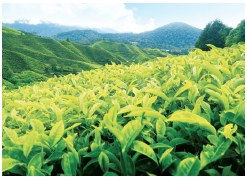
Habitat
A place where a plant lives is called its habitat. The place is chosen depending upon the suitability of climate. It is the place where they can grow and reproduce.
A place where a plant lives is called its habitat. The place is chosen depending upon the suitability of climate. It is the place where they can grow and reproduce.
Example : Tea leaves grow in hilly areas.
Adaptation
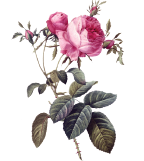
All plants have to adjust themselves to their surroundings to live and reproduce. This process of adjustment in a particular environment is called adaptation.
All plants have to adjust themselves to their surroundings to live and reproduce. This process of adjustment in a particular environment is called adaptation.
How do plants adapt themselves?
• Many plants have thorns to protect them from animals.
Example : Rose.
• Many plants have thorns to protect them from animals.
Example : Rose.
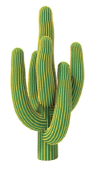
• In many plants, leaves are reduced to spines so that water loss is minimum.
Example : Cactus.
Example : Cactus.
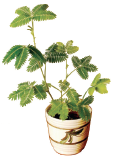
• Some plants have sensitive leaves - they close when you touch them.
Example : Touch me not (Mimosa pudica).
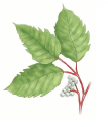
• Some plants are poisonous, they cause itching sensation on your skin.
Example : Poison ivy.
Example : Poison ivy.
Types of Plants
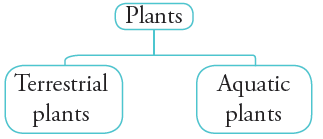
Plants can be classified into two types :
Plants can be classified into two types :
Terrestrial Plants
Plants that grow on land are called terrestrial plants. These plants can be classified further.
Plants that grow on land are called terrestrial plants. These plants can be classified further.
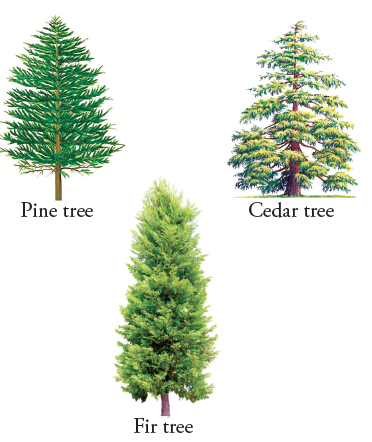
Plants of cold hilly areas : They grow in cold hilly areas like Shimla, Darjeeling etc. They mainly comprise of coniferous trees like pine, fir, cedar etc. These trees have needle like leaves and bear cones instead of flowers.
Some trees have leaves all through the year, such trees are called evergreen trees.
NOW WATCH THE VIDEOS
ASSIGNMENTS
Complete all the questions given below in your OCB (Online Classes Ex-books)
1. Revise exercises from A To F


22 / 11 / 2021, 26 / 11 / 2021, 29 / 11 / 2021
CHAPTER- 9 ROCKS AND SOIL

Topics to be covered:-
~SEDIMENTARY ROCKS~METAMORPHIC ROCKS
~PRECIOUS STONES
~FORMATION OF SOIL
~TO STUDY THE COMPOSITION OF SOIL
MAIN TEACHING :-
Oral and Explanation Online with some written work and slides.
SEDIMENTARY ROCKS
Sedimentary means made from sediments. Sediments are the solid fragments of matter which come from breakdown of rocks and are deposited by wind, water
or ice.
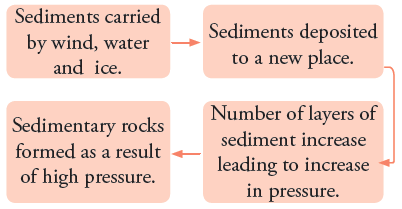
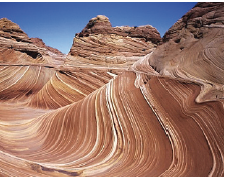 Sedimentary rocks are formed from layers of sediments. Sediments are carried away by water, wind and ice and deposited at other places. Over a period of time, pressure increases due to increase in layers of sediments. This pressure leads to the formation of sedimentary rocks.
 Some of the sedimentary rocks include :
Sandstone
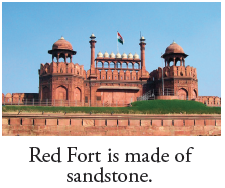
• It is a soft stone made-up of sand particles grouped together.
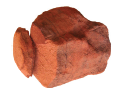 Use : It is a building material, used especially in monuments.
 Limestone
• It is made-up of fine and soft grains.
• It is rich in mineral like calcium and contains some animal shells also.
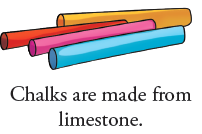
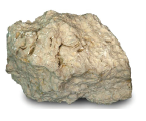 Use : It is used to make lime, cement, bricks and even chalks.
 Shale
Shale
• It is made-up of clay and mud particles solidified together and piled up in layers.
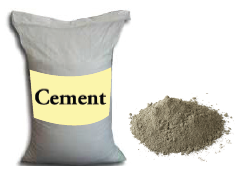
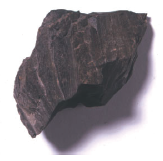 Use : It is used to make bricks and tiles. Mixture of shale and limestone is used to make cement.
 METAMORPHIC ROCKS
Metamorphic is derived from the Greek word ‘Morph’ which means to be transformed or to be changed. Metamorphic rocks are changed forms of sedimentary or igneous rocks.
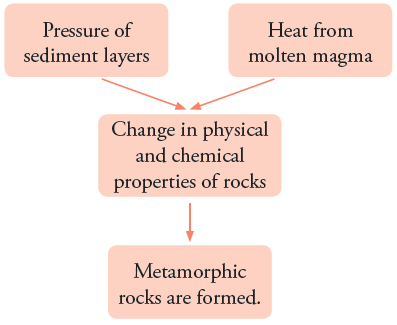
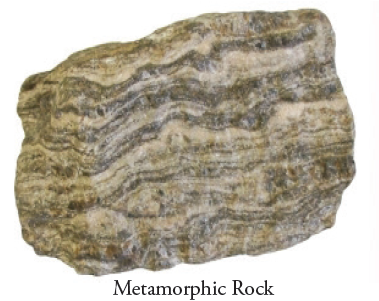 Sedimentary rocks when subjected to high heat and pressure undergo a change in physical and chemical properties and get transformed to metamorphic rocks.
Marble
• Marble is a metamorphic rock formed from limestone.
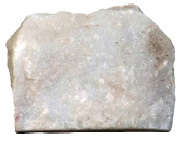 • It is normally white in colour.
• It can be cut and polished easily.
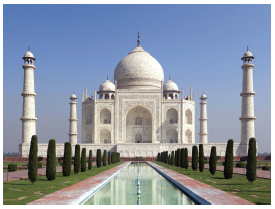
Use : It is used in flooring and making statues. The Taj Mahal is made of white marble.
 Slate
Slate
• Slate is a metamorphic rock made from shale.
• It can be cut into flat layers like shale.
 Use : It is used in making bricks and cement. It is also used to make slates and blackboards.

 PRECIOUS STONES
Rocks are made of minerals. Minerals are of different colours. The precious stones found in rocks are called gems or gemstones. They are valued for their beauty, rarity and durability.
They are cleaned, cut and polished to give a shine. Some precious stones are ruby, diamond, emerald, topaz and sapphire.
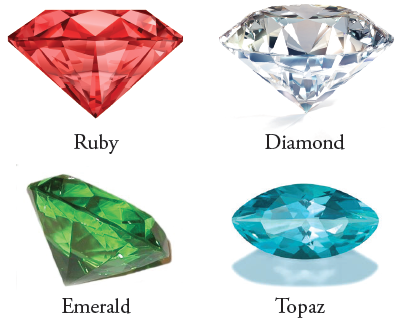
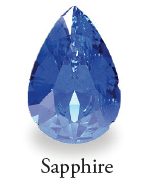 They are used in jewellery because of their brilliance, colour and hardness.
FORMATION OF SOIL
The topmost layer of Earth’s crust is soil. Soil is very important for life on Earth. It holds the plants firmly and help in their growth.
Formation :
Soil is formed by weathering of rocks. It can take thousands of years or even more for the soil to form. The surface of rocks breakdown into smaller pieces due to
many reasons.
• Rocks are heated by the sun and rain water cools it. Alternate heating and cooling makes cracks in the rocks. Water that enters these cracks, freezes and causes rocks to break into small pieces.
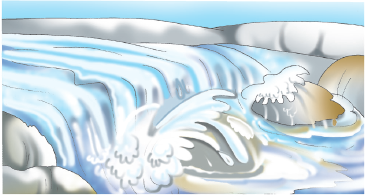
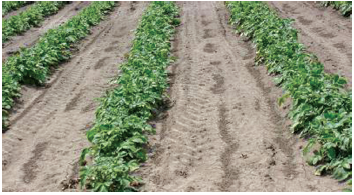 • Due to strong winds and running water of streams, waterfalls and rivers, rock pieces hit each other and break into smaller pieces.
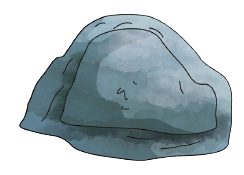
 Picture(A)is of__________. It is made up of ( white marble / Red Stone) It is a type of (metamorphic / igneous) rock.
Sedimentary means made from sediments. Sediments are the solid fragments of matter which come from breakdown of rocks and are deposited by wind, water
or ice.
Sandstone
• It is a soft stone made-up of sand particles grouped together.
• It is made-up of fine and soft grains.
• It is rich in mineral like calcium and contains some animal shells also.
• It is made-up of clay and mud particles solidified together and piled up in layers.
Metamorphic is derived from the Greek word ‘Morph’ which means to be transformed or to be changed. Metamorphic rocks are changed forms of sedimentary or igneous rocks.
Some of the metamorphic rocks include :
Marble
• Marble is a metamorphic rock formed from limestone.
• It can be cut and polished easily.
Use : It is used in flooring and making statues. The Taj Mahal is made of white marble.
• Slate is a metamorphic rock made from shale.
• It can be cut into flat layers like shale.
Rocks are made of minerals. Minerals are of different colours. The precious stones found in rocks are called gems or gemstones. They are valued for their beauty, rarity and durability.
They are cleaned, cut and polished to give a shine. Some precious stones are ruby, diamond, emerald, topaz and sapphire.
FORMATION OF SOIL
The topmost layer of Earth’s crust is soil. Soil is very important for life on Earth. It holds the plants firmly and help in their growth.
Formation :
Soil is formed by weathering of rocks. It can take thousands of years or even more for the soil to form. The surface of rocks breakdown into smaller pieces due to
many reasons.
• Rocks are heated by the sun and rain water cools it. Alternate heating and cooling makes cracks in the rocks. Water that enters these cracks, freezes and causes rocks to break into small pieces.
Sometimes plants grow between the cracks of the rocks. When these plants, grow up, their roots penetrate small gaps in the rocks and break them into small
pieces.
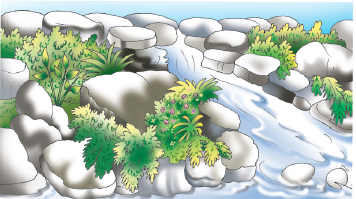 The size of rock pieces varies. They may occur as pebbles, granules or as small as particles of sand.
Soil
The fine powder obtained by breaking of rocks is known as soil. The soil so obtained is not so fertile and does not support plant growth. Thus, the soil has to be enriched with :
(i) Organic matter which includes :
(a) dead plants and animals.
(b) waste of living plants and animals.
(ii) Minerals.
To study the composition of soil
Take a big scoop of soil from the garden. Put it in a jar containing water. Stir the content of the jar with a glass rod. Allow it to settle down. You will find layers of soil in the jar.
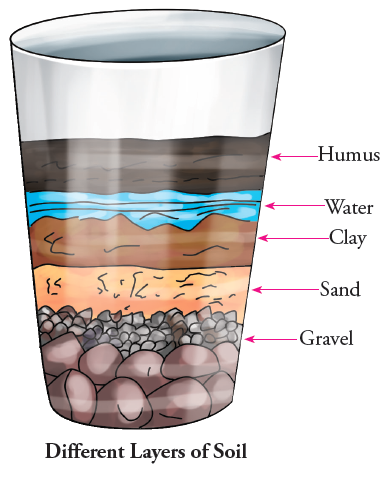
pieces.
Soil
The fine powder obtained by breaking of rocks is known as soil. The soil so obtained is not so fertile and does not support plant growth. Thus, the soil has to be enriched with :
(i) Organic matter which includes :
(a) dead plants and animals.
(b) waste of living plants and animals.
(ii) Minerals.
To study the composition of soil
Take a big scoop of soil from the garden. Put it in a jar containing water. Stir the content of the jar with a glass rod. Allow it to settle down. You will find layers of soil in the jar.
NOW WATCH THE VIDEOS
ASSIGNMENTS
Complete all the questions given below in your OCB (Online Classes Ex-books)
D. Study the picture given below and fill in the blanks with the help of options provided.
E. Match the following :-
1. Pumice a) transformed form of lime store
2. Slate b) are known as fire-rocks
3. Limestone c) used to make foot scrubbers
4. Marble d) transformed form of shale
5. Igneous rock e) used to make chalks
F. Write True or False:-
1. Marble is a metamorphic rock made from limestone.
2. Igneous rocks are rich in mineral light Mica.
3. Limestone is known as bronze stone.
4. Mixture of limestone and sandstone is used to make cement.
5. Melted material present inside the earth is known as magma.
01 / 11 / 2021, 03 / 11 / 2021
CHAPTER- 9 ROCKS AND SOIL
SCIENCE

Topics to be covered:-
~Types of rocks
~Igneous rocks
~Uses of Igneous rock
~Sedimentary rocks
MAIN TEACHING :-
Oral and Explanation Online with some written work and slides.
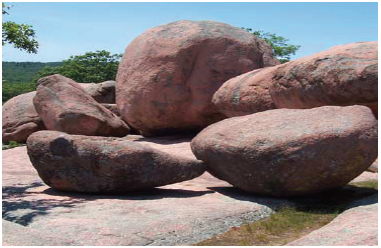
The surface of the earth is made-up of rocks, soil and minerals. Soil is rich in nutrients and is home to many organisms. Rocks present in the soil are made-up of grains of different sizes, colour and texture. These grains of naturally occurring substances are known as ‘minerals’.
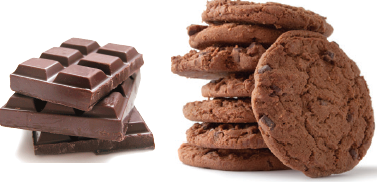
 To understand this, think of a chocolate chip cookie as a rock. The cookie is madeup of flour, butter, sugar and chocolate, The cookie is like a rock and the flour,
butter, sugar and chocolate are like minerals.
 TYPES OF ROCKS
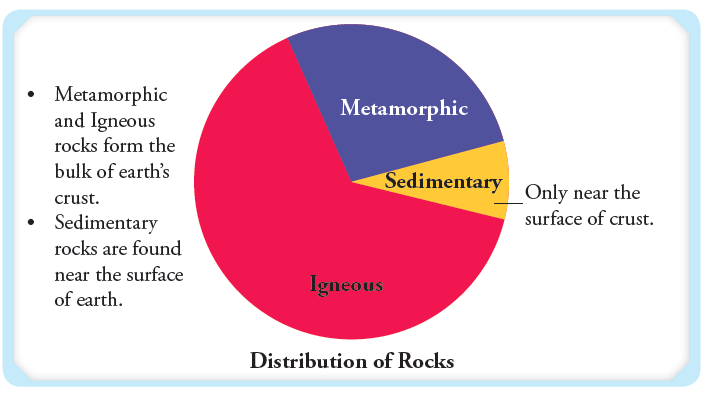
Based on the process of formation, rocks can be classified into three types.
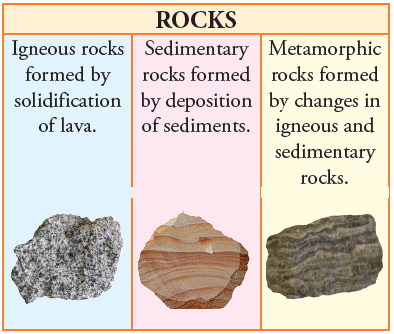 Let us discuss the types of rocks in detail.
IGNEOUS ROCKS
The word igneous means resulting from or produced by the action of fire.
Igneous rocks are rich in minerals like mica, feldspar and magnesium.
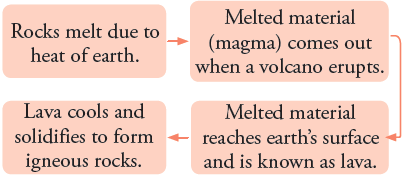
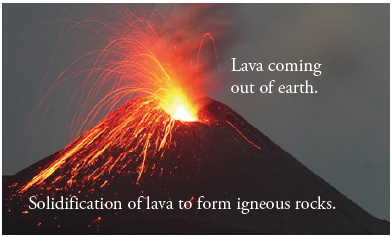 Deep inside, the earth is so hot that the rocks melt. This melted material inside the earth is known as magma. When a volcano erupts, the magma comes out and
reaches the surface of earth. This molten material which flows onto the surface of earth is known as lava. The lava cools down and solidifies to form rocks again
known as igneous rocks.
 Some of the igneous rocks include :
Granite
• The word granite means grain-rock.
• It is formed by slow cooling of lava.
• It is coarse-grained
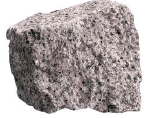 Use : It is used as a building material in kitchen slabs and floors.
 Pumice
• It is formed from lava which has froth in it due to trapped air within it.
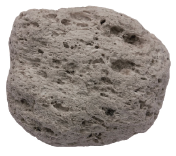 • It is the only rock which floats as it is porous and light in weight.
Use : It is used as a foot scrubber.
 SEDIMENTARY ROCKS
Sedimentary means made from sediments. Sediments are the solid fragments of matter which come from breakdown of rocks and are deposited by wind, water
or ice.
butter, sugar and chocolate are like minerals.
Based on the process of formation, rocks can be classified into three types.
IGNEOUS ROCKS
The word igneous means resulting from or produced by the action of fire.
Igneous rocks are rich in minerals like mica, feldspar and magnesium.
reaches the surface of earth. This molten material which flows onto the surface of earth is known as lava. The lava cools down and solidifies to form rocks again
known as igneous rocks.
Granite
• The word granite means grain-rock.
• It is formed by slow cooling of lava.
• It is coarse-grained
• It is formed from lava which has froth in it due to trapped air within it.
Use : It is used as a foot scrubber.
Sedimentary means made from sediments. Sediments are the solid fragments of matter which come from breakdown of rocks and are deposited by wind, water
or ice.
NOW WATCH THE VIDEOS
ASSIGNMENTS
Complete all the questions given below in your OCB (Online Classes Ex-books)
A. Choose the correct answer:-
1. Marble is transformed form of
a) sandstone b) limestone
2. These rocks are known as fire rocks
a) metamorphic rocks b) igneous rocks
3. Ruby and diamonds are
a) gems b) metals
4. Graphite is made up of
a) carbon b) calcium
5. Taj Mahal is made up of
a) Red sandstone b) white marble
B. Fill in the blanks:-
1. _________ rocks are rich in materials like mica, feldspar and magnesium.
2. _________ stones are porous and light in weight.
3. _________ rocks are formed from layers of sediments.
4. Mixtures of shale and limestone is used to make _________ .
5. Marble is a _________ rock formed from limestone.

25 / 10 / 2021, 27 / 10 / 2021
CHAPTER-8 AIR
SCIENCE
Topics to be covered:-
~Uses of components of air
~Air pollution
~Diseases associated with Air pollution
MAIN TEACHING :-
Oral and Explanation Online with some written work and slides.
USES OF COMPONENTS OF AIR
I. Use of Oxygen
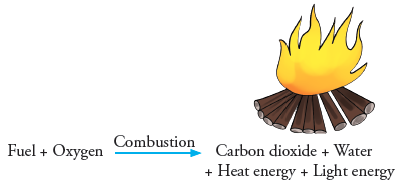
• Oxygen is required for combustion of fuel.
 • Oxygen is required for respiration by living organisms. They take in oxygen and give out carbon dioxide.
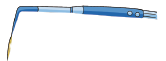
 • Oxygen is used in oxyacetylene flame which is used for welding of metals.
 II. Use of Carbon Dioxide
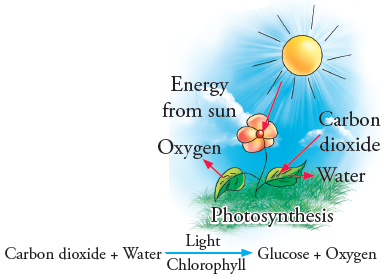
Carbon dioxide is needed by green plants to prepare their food by the process of photosynthesis.
 III. Use of Nitrogen
• Nitrogen is important for growth of plants.
• Leguminous plants absorb nitrogen for protein synthesis.
• Nitrogen is also used for protein synthesis.
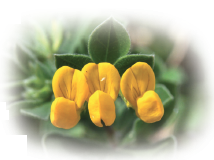 IV. Use of Inert gases
• Helium is used in weather forecasting balloons.
 • Neon is used in advertising sign boards.
 V. Use of Water vapours
Water vapours prevents drying up of substances. It keeps plants fresh and green. It prevents the animal skin from becoming dry and scaly.
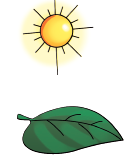 AIR POLLUTION
The unwanted substances which are added into air are known as air pollutants and they cause air pollution.
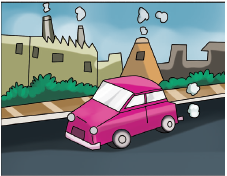 Causes of air pollution
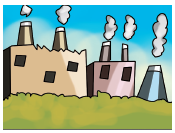
Air pollution is largely caused due to burning of fuels which release harmful gases during burning.
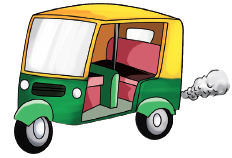 Increase in the number of factories, industries and vehicles also increase the level of air pollution.
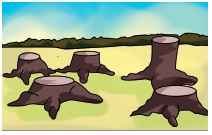
 Cutting down of trees have increased the levels of carbon dioxide resulting in global warming.
 Diseases associated with Air pollution
Nowadays, it is very important to fight air pollution, since the number of respiratory diseases have increased. Headache, nausea, vomiting, dizziness are further associated with air pollution.
REMEDIAL MEASURES
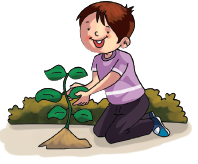
1. Plant more trees because trees reduce the amount of carbon dioxide by absorbing it for photosynthesis.
 2. In vehicles, catalytic converters are used, they convert the harmful gases into harmless products.
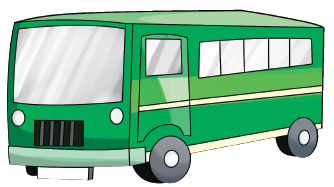
 3. Use public transport as it saves fuel.
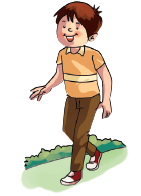
 4. Walk or cycle where it is safe to do so.
 5. Abstain from smoking.
 Most of the infections are spread through germs present in the air. So it is recommended that people with coughs, colds, T.B. should cover their mouth and nose when they sneeze/cough. Thus, the infectious spores are stopped from spreading.
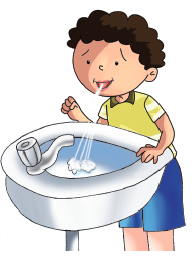
Spitting should be done in washbasins and then water should be made to flow so that infection doesn’t spread. If spitting is done in open, then the spores spread in
air causing infection through the air.
I. Use of Oxygen
• Oxygen is required for combustion of fuel.
Carbon dioxide is needed by green plants to prepare their food by the process of photosynthesis.
• Nitrogen is important for growth of plants.
• Leguminous plants absorb nitrogen for protein synthesis.
• Nitrogen is also used for protein synthesis.
• Helium is used in weather forecasting balloons.
Water vapours prevents drying up of substances. It keeps plants fresh and green. It prevents the animal skin from becoming dry and scaly.
The unwanted substances which are added into air are known as air pollutants and they cause air pollution.
Air pollution is largely caused due to burning of fuels which release harmful gases during burning.
Nowadays, it is very important to fight air pollution, since the number of respiratory diseases have increased. Headache, nausea, vomiting, dizziness are further associated with air pollution.
REMEDIAL MEASURES
1. Plant more trees because trees reduce the amount of carbon dioxide by absorbing it for photosynthesis.
Spitting should be done in washbasins and then water should be made to flow so that infection doesn’t spread. If spitting is done in open, then the spores spread in
air causing infection through the air.

04 / 10 / 2021, 06 / 10 / 2021, 18 / 10 / 2021, 20 / 10 / 2021
CHAPTER-8 AIR
SCIENCE
Topics to be covered:-
~Introduction
~Atmosphere
~Layers of the Atmosphere
~Composition of Air
~Properties of Air
~Uses of components of air
MAIN TEACHING :-
Oral and Explanation Online with some written work and slides.
AIR
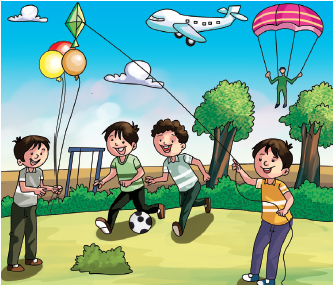
Air is a mixture of colourless gases found in atmosphere.
One can stay without food and water but one cannot stay without air for a minute. Air forms a transparent medium and hence we are able to see through it. We need air for
(i) breathing
(ii) flying kites
(iii) air-transport
(iv) photosynthesis
(v) filling balloons
(vi) for burning
Air is a mixture of colourless gases found in atmosphere.
One can stay without food and water but one cannot stay without air for a minute. Air forms a transparent medium and hence we are able to see through it. We need air for
(i) breathing
(ii) flying kites
(iii) air-transport
(iv) photosynthesis
(v) filling balloons
(vi) for burning
Atmosphere
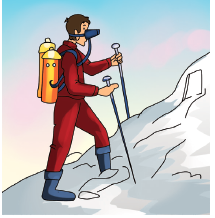
The blanket of air that surrounds the earth is called atmosphere. Atmosphere is a mixture of gases in several layers. These layers are dense near the earth’s surface.
The envelope of air becomes thinner as one moves above the earth’s surface. Hence, mountaineers have to carry oxygen cylinders with them at higher altitudes.
 Layers of the Atmosphere :
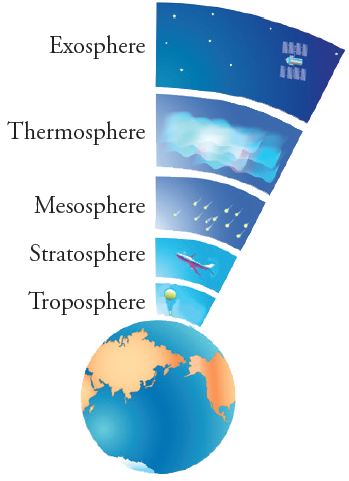 (a) Troposphere : It is layer of the atmosphere closest to the earth’s surface. All type of gases are present here and weather changes take place in troposphere.
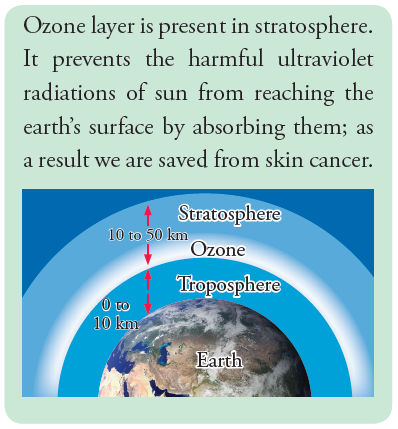
(b) Stratosphere : This layer is present above the troposphere. Many jet aircrafts fly in this layer. Ozone layer is also present here.
(c) Mesosphere : This is the third layer. Meteorites burn out in this layer and, therefore, do not reach the surface of earth.
(d) Thermosphere : Space shuttles move about in this layer.
(e) Exosphere : It is the outermost layer containing very little air.
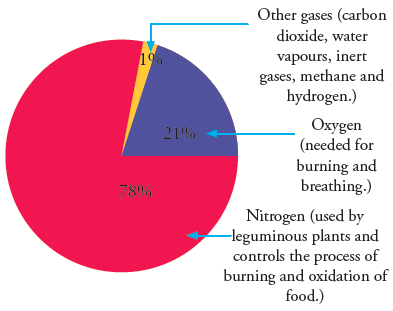
 Composition of Air :
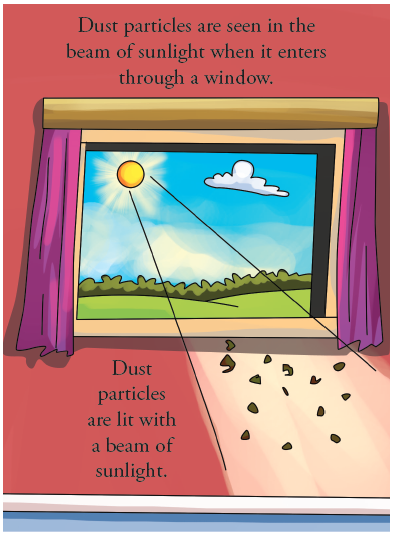
 Air contains dust particles
Early morning open up the window which is towards the eastern side. When sunlight falls into your room in the morning you can see the particles of dust in the air.
 Properties of Air
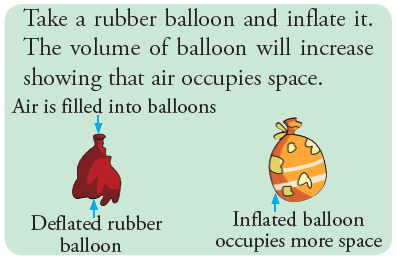
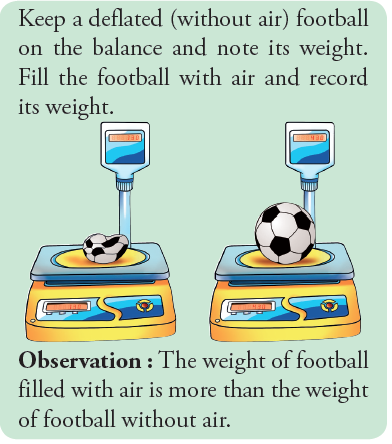
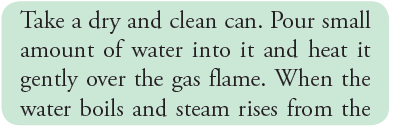
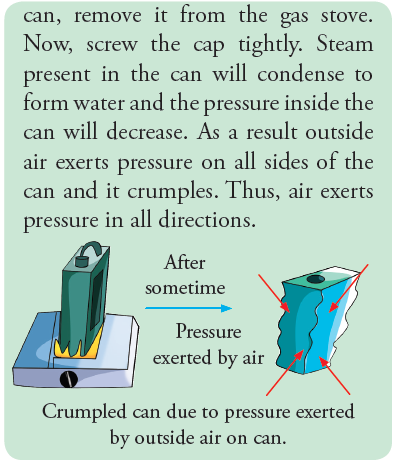
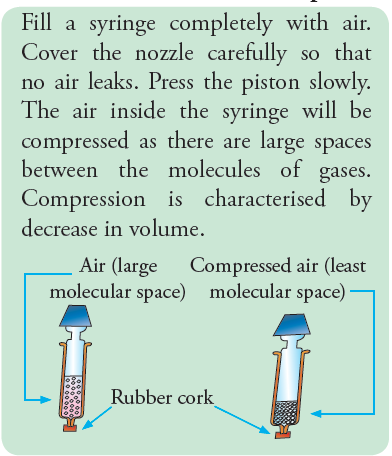
Air is a matter. Thus, it has weight and it occupies space. It can be compressed and can exert pressure.
(a) To prove that air occupies space.
 (b) To show that air has weight.
 (c) To show that air exerts pressure.
 (d) To show that air can be compressed.
 USES OF COMPONENTS OF AIR
I. Use of Oxygen
• Oxygen is required for combustion of fuel.
• Oxygen is required for respiration by living organisms. They take in oxygen and give out carbon dioxide.
• Oxygen is used in oxyacetylene flame which is used for welding of metals.II. Use of Carbon Dioxide
Carbon dioxide is needed by green plants to prepare their food by the process of photosynthesis.
III. Use of Nitrogen
• Nitrogen is important for growth of plants.
• Leguminous plants absorb nitrogen for protein synthesis.
• Nitrogen is also used for protein synthesis.
IV. Use of Inert gases
• Helium is used in weather forecasting balloons.
• Neon is used in advertising sign boards.
V. Use of Water vapours
Water vapours prevents drying up of substances. It keeps plants fresh and green. It prevents the animal skin from becoming dry and scaly.
AIR POLLUTION
The unwanted substances which are added into air are known as air pollutants and they cause air pollution.
Causes of air pollution
Air pollution is largely caused due to burning of fuels which release harmful gases during burning.
Increase in the number of factories, industries and vehicles also increase the level of air pollution.
Cutting down of trees have increased the levels of carbon dioxide resulting in global warming.
Diseases associated with Air pollution
Nowadays, it is very important to fight air pollution, since the number of respiratory diseases have increased. Headache, nausea, vomiting, dizziness are further associated with air pollution.
REMEDIAL MEASURES
1. Plant more trees because trees reduce the amount of carbon dioxide by absorbing it for photosynthesis.
2. In vehicles, catalytic converters are used, they convert the harmful gases into harmless products.
3. Use public transport as it saves fuel.
4. Walk or cycle where it is safe to do so.
5. Abstain from smoking.
Most of the infections are spread through germs present in the air. So it is recommended that people with coughs, colds, T.B. should cover their mouth and nose when they sneeze/cough. Thus, the infectious spores are stopped from spreading.
Spitting should be done in washbasins and then water should be made to flow so that infection doesn’t spread. If spitting is done in open, then the spores spread in
air causing infection through the air.
The blanket of air that surrounds the earth is called atmosphere. Atmosphere is a mixture of gases in several layers. These layers are dense near the earth’s surface.
The envelope of air becomes thinner as one moves above the earth’s surface. Hence, mountaineers have to carry oxygen cylinders with them at higher altitudes.
(b) Stratosphere : This layer is present above the troposphere. Many jet aircrafts fly in this layer. Ozone layer is also present here.
(c) Mesosphere : This is the third layer. Meteorites burn out in this layer and, therefore, do not reach the surface of earth.
(d) Thermosphere : Space shuttles move about in this layer.
(e) Exosphere : It is the outermost layer containing very little air.
Early morning open up the window which is towards the eastern side. When sunlight falls into your room in the morning you can see the particles of dust in the air.
Air is a matter. Thus, it has weight and it occupies space. It can be compressed and can exert pressure.
(a) To prove that air occupies space.
I. Use of Oxygen
• Oxygen is required for combustion of fuel.
Carbon dioxide is needed by green plants to prepare their food by the process of photosynthesis.
• Nitrogen is important for growth of plants.
• Leguminous plants absorb nitrogen for protein synthesis.
• Nitrogen is also used for protein synthesis.
IV. Use of Inert gases
• Helium is used in weather forecasting balloons.
V. Use of Water vapours
Water vapours prevents drying up of substances. It keeps plants fresh and green. It prevents the animal skin from becoming dry and scaly.
The unwanted substances which are added into air are known as air pollutants and they cause air pollution.
Air pollution is largely caused due to burning of fuels which release harmful gases during burning.
Nowadays, it is very important to fight air pollution, since the number of respiratory diseases have increased. Headache, nausea, vomiting, dizziness are further associated with air pollution.
REMEDIAL MEASURES
1. Plant more trees because trees reduce the amount of carbon dioxide by absorbing it for photosynthesis.
Most of the infections are spread through germs present in the air. So it is recommended that people with coughs, colds, T.B. should cover their mouth and nose when they sneeze/cough. Thus, the infectious spores are stopped from spreading.
Spitting should be done in washbasins and then water should be made to flow so that infection doesn’t spread. If spitting is done in open, then the spores spread in
air causing infection through the air.

20 / 09 / 2021
CHAPTER- 5 THE GREEN PLANTS
SCIENCE
Topics to be covered:-
~Introduction
~Components of food
1. Carbohydrates
2. Fats
3. Proteins
4. Vitamins
5. Minerals
6. Roughage
7. Water

2. Fats
3. Proteins
4. Vitamins
5. Minerals
6. Roughage
7. Water

We all need food. Food helps us to grow. It provides us energy. It keeps us healthy and free from deficiency diseases. Food contain some useful substances that help
us to live and grow. These substances are called nutrients. Nutrients present in the food are :
1. Carbohydrates
2. Fats
3. Proteins
4. Vitamins
5. Minerals
6. Roughage
7. Water
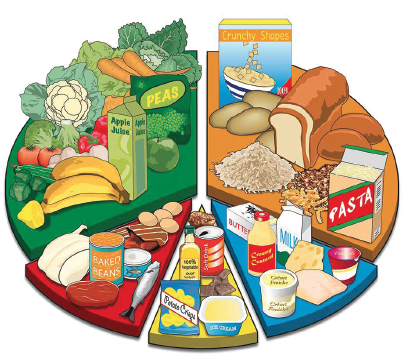 All these nutrients are required by our body in small or large amounts.
Balanced Diet
A diet in which all the nutrients are present in proper amount is known as balanced diet.
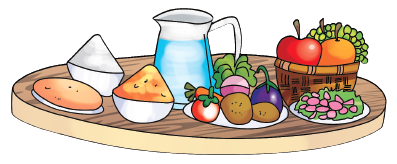 A balanced diet keeps us fit and healthy. It also protects us from diseases.
What is food ?
Food is a substance containing nutrients which fills our stomach and satisfy our hunger.
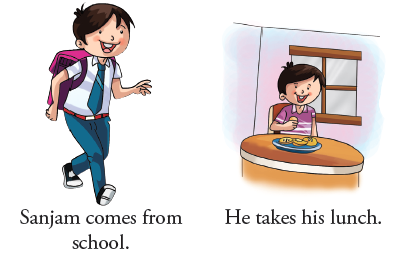 Why do we need food?
Food gives us energy to work and play.
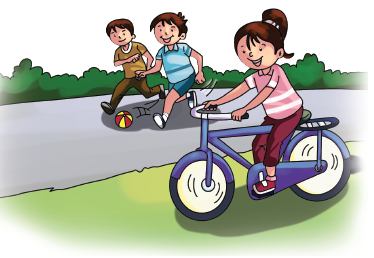 It keeps us healthy and strong.
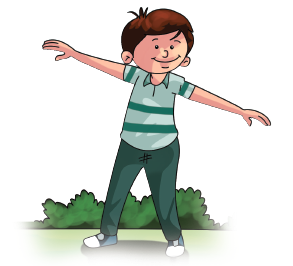 Food helps us to fight diseases.
 It repairs the worn out body parts.
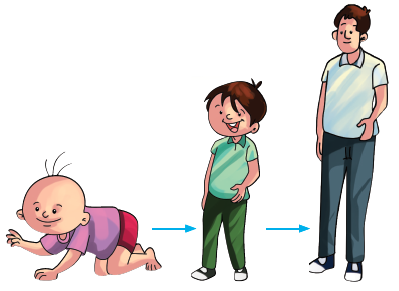
 Food builds our body and helps us to grow.
 FOOD GROUPS
We can divide food into different groups according to what they do for our body.
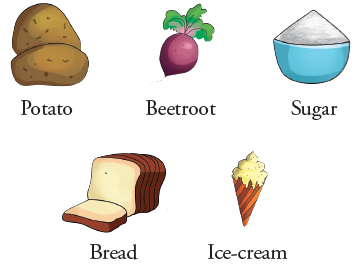
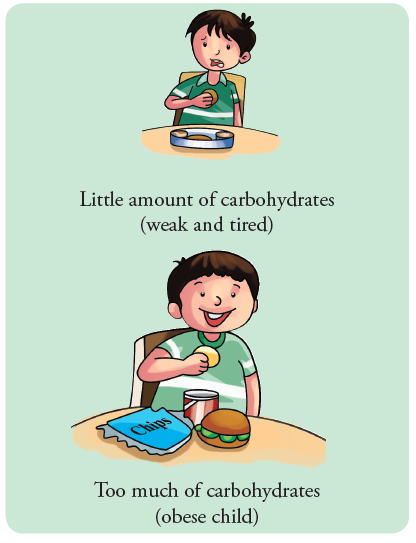
Carbohydrates
Carbohydrates provide energy to our body.
Sources
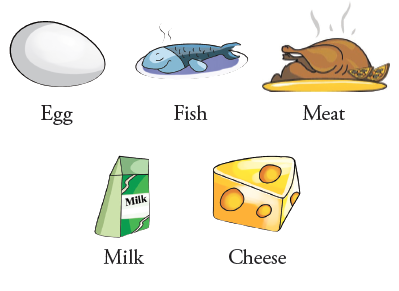
 Proteins
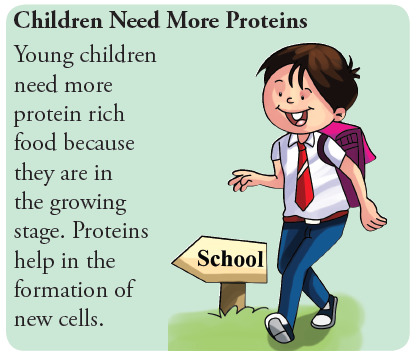
Proteins are the building blocks of our body. They help in the
1. growth and repair of body
2. formation of new cells
3. help in repairing the damaged cells.
Sources
us to live and grow. These substances are called nutrients. Nutrients present in the food are :
1. Carbohydrates
2. Fats
3. Proteins
4. Vitamins
5. Minerals
6. Roughage
7. Water
Balanced Diet
A diet in which all the nutrients are present in proper amount is known as balanced diet.
What is food ?
Food is a substance containing nutrients which fills our stomach and satisfy our hunger.
Food gives us energy to work and play.
We can divide food into different groups according to what they do for our body.
Carbohydrates
Carbohydrates provide energy to our body.
Sources
Proteins are the building blocks of our body. They help in the
1. growth and repair of body
2. formation of new cells
3. help in repairing the damaged cells.
Sources
NOW WATCH THE VIDEOS

SCIENCE
Topics to be covered:-
~Habitat
~Adaptations to Environment
~Terrestrial animals
~Aquatic animals
~Amphibians
~Adaptation for Protection
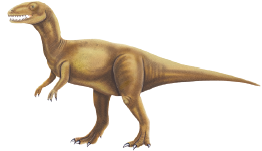
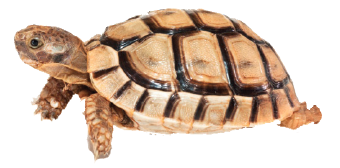
Scientists believed that there was a sudden change in earth’s climate. It became very cold, the dinosaurs could not adjust to the cold conditions and died. Thus, they became extinct.
MAIN TEACHING :-
Oral and Explanation Online with some written work and slides.
AdaptationThe process in which an organism changes itself to suit its surroundings is known as adaptation. Living things that adapt to their surroundings survive. Those that cannot adapt die. Animals are well adjusted to one particular type of environment. This environment is known as its habitat.
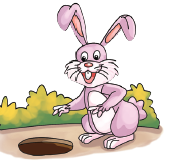
Habitat
The natural home of an animal is called its habitat.
Animals can be grouped according to the natural environment or its habitat.
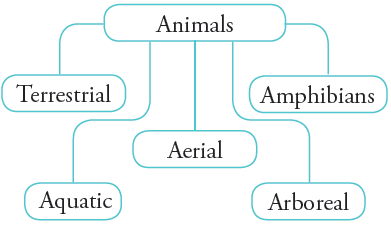
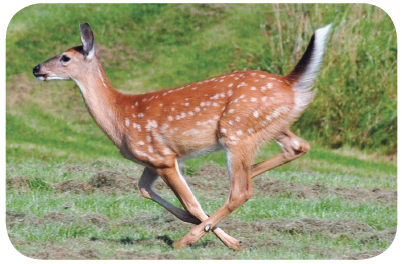
Animals like horses, lions, deer and giraffe live on land. These animals are called terrestrial animals. These animals have the following features that help them to
adapt well on land.
These are :
• legs to move
• lungs to breathe
• hairy skin to bear cold
• thick skin to bear heat
• well developed nervous system
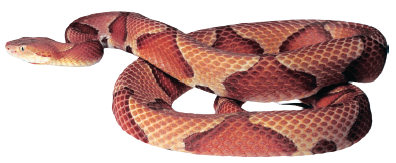
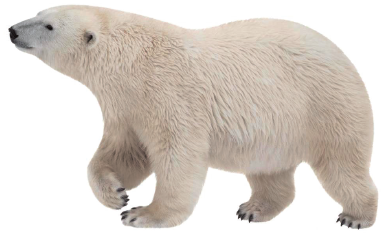
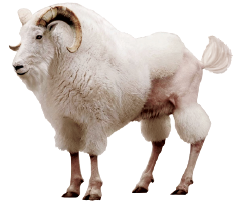
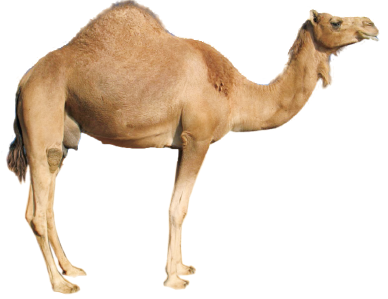
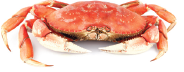
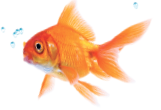
Animals that live in water are called aquatic animals. The distinct features that help them to live in water are :
• Most of the aquatic animals have gills to breathe.
• Many of them have streamlined bodies.
• Many water birds have webbed feet or
paddle-like flippers. The gills in a crab help it to breathe in water.

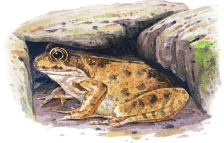
Animals that can live both on land and in water are known as amphibians. The distinct features which help them to live both on land as well as in water are :
• gills and lungs to respire in water and land respectively.
• limbs to move and fins to swim. Frogs and toads are cold-blooded animals. They cannot bear very cold weather. So they undergo a long winter sleep called hibernation.
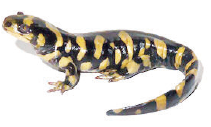
Animals that fly are called aerial animals.
• These animals have hollow bones and wings to fly.
• They have streamlined bodies which help them to fly.
Most birds have wings to fly. They have light and hollow bones.
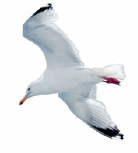
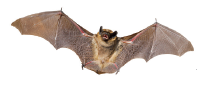
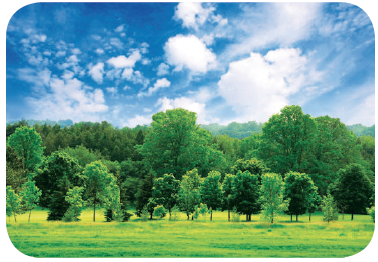
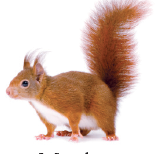
Animals that spend most of their time on trees are known as arboreal animals.
Squirrels and tree lizards have claws and broad hip girdles to support their body while climbing.
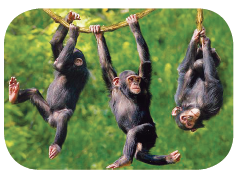
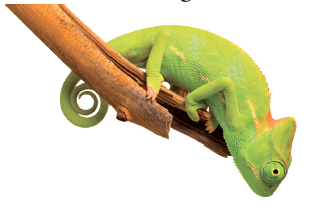
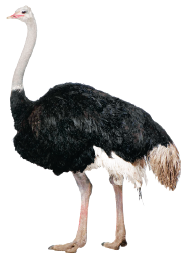
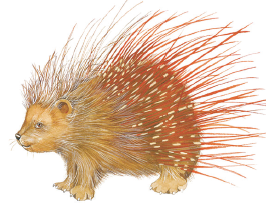
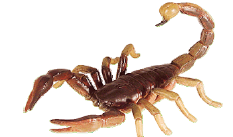
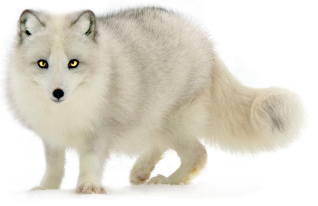
Animals protect themselves from their enemies in different ways. They develop special features which help them to escape from their enemies.
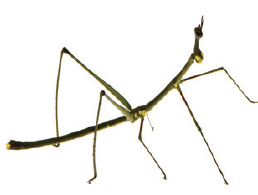
Stick insect looks like a dry small twig, as a result they are mistaken for a twig.

23 / 08 / 2021, 25 / 08 / 2021, 01 / 09 / 2021, 08 / 09 / 2021
CHAPTER- 6 ADAPTATIONS IN PLANTS
SCIENCE
Topics to be covered:-
~Habitat
~Adaptation
~Types of Plants
~Terrestrial Plants
~Aquatic Plants
~Uses of Plants
MAIN TEACHING :-
Oral and Explanation Online with some written work and slides.
Habitat
A place where a plant lives is called its habitat. The place is chosen depending upon the suitability of climate. It is the place where they can grow and reproduce.
Example : Tea leaves grow in hilly areas.
Adaptation
All plants have to adjust themselves to their surroundings to live and reproduce. This process of adjustment in a particular environment is called adaptation.
How do plants adapt themselves?
• Many plants have thorns to protect them from animals.
Example : Rose.
• In many plants, leaves are reduced to spines so that water loss is minimum.
Example : Cactus.
• Some plants have sensitive leaves - they close when you touch them.
Example : Touch me not (Mimosa pudica).
• Some plants are poisonous, they cause itching sensation on your skin.
Example : Poison ivy.
Types of Plants
Plants can be classified into two types :
Terrestrial Plants
Plants that grow on land are called terrestrial plants. These plants can be classified further.
Plants of cold hilly areas : They grow in cold hilly areas like Shimla, Darjeeling etc. They mainly comprise of coniferous trees like pine, fir, cedar etc. These trees have needle like leaves and bear cones instead of flowers.
Some trees have leaves all through the year, such trees are called evergreen trees.
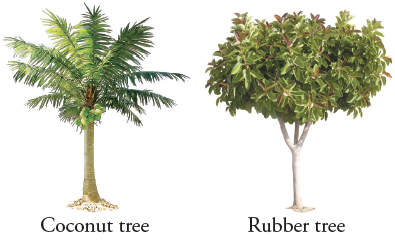
Plants of hot and damp areas : Trees which grow in hot and damp areas get plenty of sunlight and rainfall for manufacturing the food. Hence, the plants of such areas have broad and flat leaves. Trees like coconut and rubber grow in such areas.
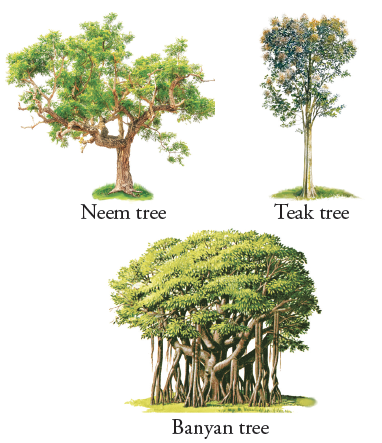
Plants in plain areas: Different varieties of plants are found in plains. Most of these have a number of branches and leaves which they shed periodically. They are called deciduous trees.
Example : Neem, Teak, Banyan etc.
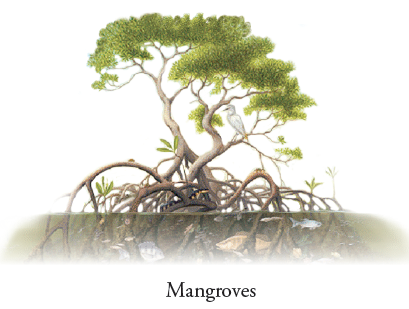
Plants in swampy areas: Swampy and marshy areas have sticky and clayey soil. This type of soil doesn’t have air spaces in between. As a result, it becomes very difficult for the plants to grow here. Hence, the roots of the trees growing in such areas, grow above the ground. These roots are known as breathing roots.
Example : Mangrove tree.
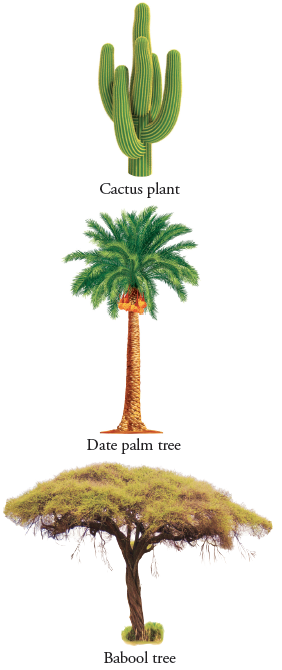
Plants of desert areas: Desert areas are marked with very little rainfall. As a result, plants adapt themselves in such a way so that they can survive in the severe hot conditions of the desert.
Examples : Cactus, Date palm, Babool, Keekar etc.
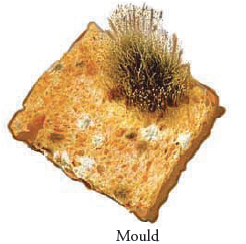
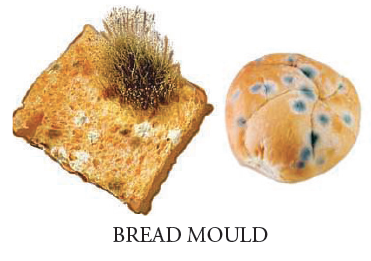
Some plants are non-green: Some plants like mushroom and moulds are non-green because they do not have chlorophyll. Such plants cannot prepare their own food and depend upon other plants and dead decaying matter for food. Such plants are also known as saprophytic plants.
Some unique plants:
• The fungus which grows on bread is also a plant. It is commonly known as bread mould. It is not a photosynthetic plant.
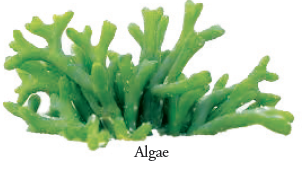
• The algae which covers the unclean surface is also a plant. It is green in colour and can perform photosynthesis.
Aquatic Plants
Plants that grow in water are called aquatic plants.
These are of three types :
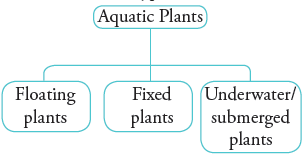
Floating Plants
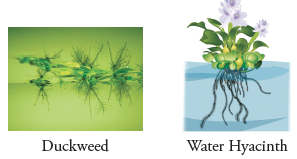
These plants have spongy bodies which trap air in between. Such plants thus become light and hence float on water.
Examples : Water Hyacinth, Duckweed, Green algae etc.
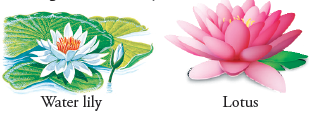
Fixed Plants
These plants have roots which fix them to the bottom of the pond. Leaves of these plants are broad and flat with a waxy protective covering.
Examples : Water lily, Lotus.
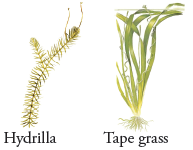
Submerged Plants/Underwater Plants
Submerged plants grow completely under water. Their leaves are long and tapered.
Submerged plants grow completely under water. Their leaves are long and tapered.
Examples : Hydrilla and Tape grass.
Uses of Plants
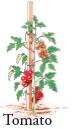
1. As food : Plants give us fruits, vegetables, oil, sugar, cereals, pulses, nuts, tea, coffee etc.
2. As cloth material :
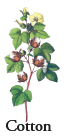
Cotton, Jute, Flax are used for making fibres which are then spun into yarn.
3. As furniture material :
Trunk of Sheesham, Teak, Sal etc. give us wood for making furniture, doors etc.

4. Medicinal plants :
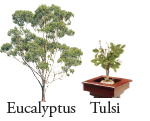
Many plants like Eucalyptus, Tulsi, Neem etc. are used as medicinal plants.
5. Other uses :
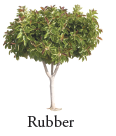
Plants give us rubber, oils, gums, resins etc.
NOW WATCH THE VIDEOS
ASSIGNMENTS
Complete all the questions given below in your OCB (Online Classes Ex-books)
1. Complete exercises from A To F
2. Choose the correct option:
Question: 1.Why do plants need to adapt?
a) to survive
b) to protect
c) both (a) and( b)
d) none of these
Question:2 What is terrestrial plant?
a) plant grown on land
b) plant grow in water
c) both
d) none of these
Question:3 Tall, straight and needle – like leaves bearing plant grows on
a) mountain
b) plains
c) both
d) none of these
Question:4 Pine, fir, deodar and spruce are good example of
a) conifers
b) ornamental plant
c) both
d) none of these
Question: 5 Conifers has strong smell that keeps __________ away and protect them
a) all of these
b) animals
c) insects
d) humans
11 / 08 / 2021
CHAPTER- 5 THE GREEN PLANTS
SCIENCE
Topics to be covered:-
~Introduction
~Photosynthesis
~To show experimentally that light is necessary for photosynthesis.
MAIN TEACHING :-
Oral and Explanation Online with some written work and slides.
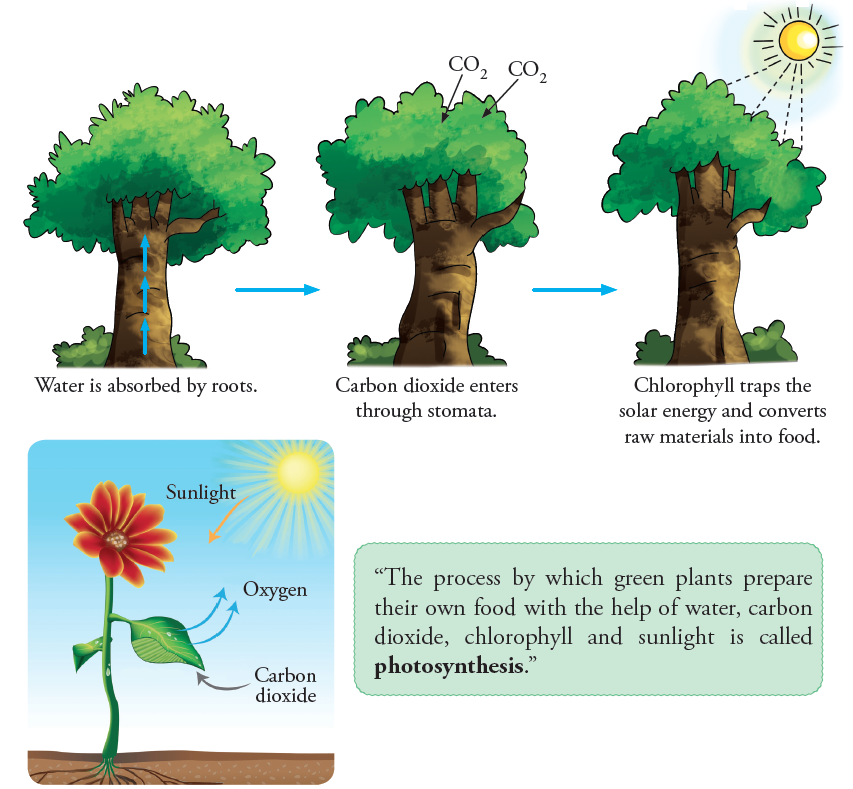
Photosynthesis (Greek word photos: light; synthesis-, putting together) is the process by which the green plants synthesise their own food (glucose) using carbon dioxide and water as raw materials in presence of sunlight and chlorophyll. During this process oxygen is released as a by-product. The overall process of photosynthesis can be represented by the following diagram:

AIM
To show experimentally that light is necessary for photosynthesis.
MATERIALS REQUIRED
A potted plant, black paper strips or Ganongs light screen, clips or cellotape, alcohol, iodine solution, water bath, beaker, burner, water, petri dish, dropper.
THEORY
Light is one of the requirements for photosynthesis. When a part of the leaf is covered from both upper and lower sides with a black paper strip, light will not reach to covered part. Hence, photosynthesis will not take place in covered part of the leaf. On the other hand, as light will be available to uncovered part of the leaf, cells of this region will carry out photosynthesis actively and hence, glucose will be synthesised in the uncovered part of the leaf. In the leaf a part of this glucose is utilised to carry out various metabolic activities and rest of the amount converts into starch. Presence of starch in the leaf, which can be detected by performing iodine test, indicates occurrence of photosynthesis.
PROCEDURE
Select a healthy potted plant and destarch the plant by placing it in complete darkness for at least 48 hours.
After 48 hours, using clips or cellotape cover a part of the leaf of the plant from both upper and lower sides with black paper strips.
Now, keep the potted plant in sunlight for at least 3-4 hours.
After 3-4 hours, pluck the leaf and remove black paper strips.
Boil the leaf in water for about 2 minutes.
Now, to decolourise the leaf, transfer the leaf from boiling water to a beaker containing ethanol and boil the leaf in a water bath.
Remove the leaf from beaker and wash it in water at room temperature.
Place this leaf in petri dish and add few drops of iodine solution over the decolourised leaf.
The area of the leaf that was uncovered performed photosynthesis and will have starch, therefore turned blue-black with iodine solution.
The covered portion of the leaf remains yellow as it does not perform photosynthesis.
[Note: Ganong’s light screen can be used in place of black paper strip]
OBSERVATIONS
The uncovered part of the leaf turns blue-black. This confirms the presence of starch.
The covered portion of the leaf remains yellow showing that no starch synthesis occured in this region.
RESULT
This proves that light is necessary for the photosynthesis.
PRECAUTIONS
Use healthy potted plant.
Plant should be destarched by placing in the dark.
The black paper strip should be attached tightly on both sides of leaf so that no sunlight enters in covered portion of leaf.
Always use a water bath for boiling leaf in alcohol as alcohol is inflammable.
Wash the leaf before performing iodine test.
NOW WATCH THE VIDEOS
ASSIGNMENTS
Complete all the questions given below in your OCB (Online Classes Ex-books)
A) Tick (√ ) the correct option:-
Question 1.
In the experiment to prove that light is necessary for photosynthesis, which one of the following is not required?
(a) Alcohol
(b) Iodine
(c) KOH
(d) Water
Question 2.
When iodine was added to a particular vegetable which had been crushed into a paste, blue-black colour was obtained. This indicates the presence of
(a) glucose
(b) sugar
(c) starch
(d) protein
Question 3.
A leaf from a destarched potted plant is covered with black paper strip as shown in Figure 1 and plant is kept in sunlight. The starch test is done on the leaf after 8 hours. The results will be as shown in

Question 4.
For the experiment, “light is necessary for photosynthesis”, the potted plant is first kept in darkness for a day. This is to
(a) deactivate the chloroplasts
(b) destarch leaves
(c) activate chloroplasts
(d) prepare leaves for photosynthesis
Question 5.
Which of the following solvent is used to decolourise the leaf?
(a) Water
(b) Iodine solution
(c) Alcohol
(d) Starch solution
Question 6.
The experiment, “To show light is necessary for photosynthesis”, involves following steps. Select the incorrect step.
(i) After boiling leaf in alcohol and washing in water, place in Fehling’s solution to test for starch.
(ii) Destarch the plant by keeping it in dark for 2-3 days.
(iii) Cover the leaf with black paper strips and expose plant to sunlight for 3-4 hours.
(iv) Remove paper strips from leaf and boil the leaf in alcohol.
(a) (ii)
(b) (i)
(c) (iii)
(d) (iv)
Question 7.
The figure depicts one of the steps of the experiment. What does labelling (1) denote?

(a) Starch solution
(b) Alcohol
(c) Water bath
(d) Benzene
Question 8.
In an experiment to show that sunlight is necessary for photosynthesis, the leaf is boiled in alcohol for a few minutes using a water bath. It is essential because
(a) alcohol is highly volatile.
(b) steam from the water bath heats the leaf rapidly.
(c) steam from the water bath dissolves the chlorophyll.
(d) alcohol is flammable.
Question 9.
A portion of each of four destarched leaves of a
plant was covered with paper strips of various kinds. The plant was exposed to sunlight for 5 hours. Thereafter, the strips were removed and the leaves tested for starch in the covered portion.
Which one out of the four leaves gave the starch test in the covered portion?
(a) That covered with black paper strip
(b) That covered with green paper strip
(c) That covered with white paper strip
(d) That covered with a transparent paper strip
26 / 07 / 2021, 28 / 07 / 2021, 02 / 08 / 2021
SCIENCE
CHAPTER- 5 THE GREEN PLANTS
Topics to be covered:-
~Introduction
~Photosynthesis
~Parts of a leaf
~Functions of Leaf
~How do plants use their food?
~How do plants depend upon animals?
MAIN TEACHING :-
Oral and Explanation Online with some written work and slides.
Plants are wonderful creation of God. They prepare food for all. All creatures depend directly or indirectly on plants for food. Plants range from microscopic size
to tall trees.
1. Some plants are green, while some are non-green.
2. Green plants prepare their own food, while non-green plants depend on other sources for food.
For example – Moulds and Mushrooms depend upon decaying plants and animals for food.
 The Green Plants
Majority of plants are green in colour because of the presence of green pigment ‘chlorophyll’. This pigment absorbs sunlight and helps to prepare food. Chlorophyll is present in all green leaves and also in young green stems. Due to the presence of chlorophyll, leaves manufacture food. Hence, leaves are also known as food factories of plants.
Photosynthesis
Photo means ‘light’ and synthesis means ‘putting together’. Only green plants are capable of performing photosynthesis.
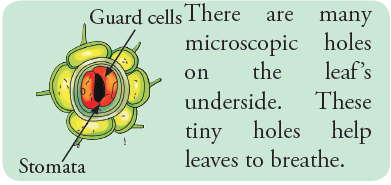
A plant absorbs water and minerals from the soil through its roots. It absorbs carbon dioxide from air through stomata. Sunlight is trapped by chlorophyll in
leaves. These raw materials are then changed into food in the form of simple sugar. During this process oxygen gas is released.
 PARTS OF A LEAF
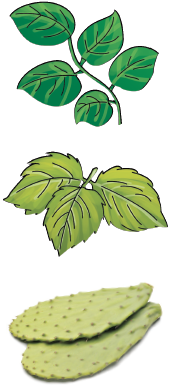
Leaves of different plants are different. We can identify the plant through its leaves.
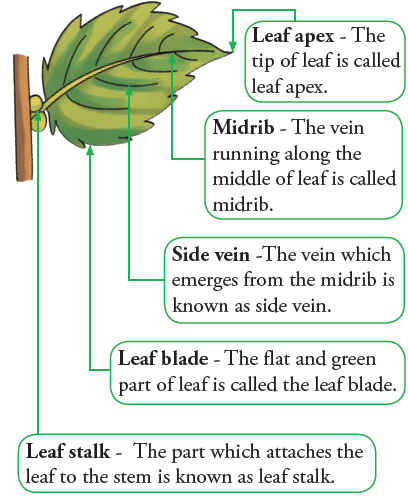 The midrib and side veins have small tubes inside them. These tubes are of two types :
XYLEM - The tubes that carry water from the roots to the leaves are called xylem.
PHLOEM - The tubes that carry food from leaves to all parts of the plant are called phloem.
 Functions of Leaf
• Leaves prepare food for the plants.
• It helps a plant to breathe through stomata.
• Certain leaves can store food for us like spinach, cabbage etc.
• Leaves of plants like cactus protect the plant.
• Certain leaves like Tulsi, Mint etc. possess medicinal value.
 How do plants use their food?
• Leaves prepare food in the form of simple sugar.
• Plants get energy from this sugar.
• Extra food is stored in the form of starch which can be used at the time of need.
• Some of it is used for growth.
ENERGY FLOW
Sun is the ultimate source of all energy. All living beings need energy. Hence, they all depend directly or indirectly on sun.
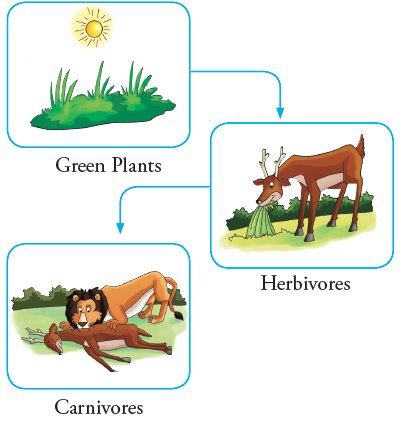 During photosynthesis green plants trap the sun’s energy to make food. This energy is then passed on to human and animals when they eat the food.
Interdependence
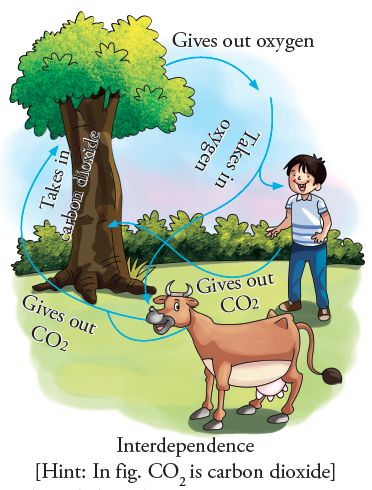
Plants and animals depend on each other for survival. This process is known as interdependence
How do plants depend upon animals?
• Plants need carbon dioxide to prepare food. This gas is given out during respiration by animals.
to tall trees.
1. Some plants are green, while some are non-green.
2. Green plants prepare their own food, while non-green plants depend on other sources for food.
For example – Moulds and Mushrooms depend upon decaying plants and animals for food.
Majority of plants are green in colour because of the presence of green pigment ‘chlorophyll’. This pigment absorbs sunlight and helps to prepare food. Chlorophyll is present in all green leaves and also in young green stems. Due to the presence of chlorophyll, leaves manufacture food. Hence, leaves are also known as food factories of plants.
Photosynthesis
Photo means ‘light’ and synthesis means ‘putting together’. Only green plants are capable of performing photosynthesis.
A plant absorbs water and minerals from the soil through its roots. It absorbs carbon dioxide from air through stomata. Sunlight is trapped by chlorophyll in
leaves. These raw materials are then changed into food in the form of simple sugar. During this process oxygen gas is released.
Leaves of different plants are different. We can identify the plant through its leaves.
XYLEM - The tubes that carry water from the roots to the leaves are called xylem.
PHLOEM - The tubes that carry food from leaves to all parts of the plant are called phloem.
• Leaves prepare food for the plants.
• It helps a plant to breathe through stomata.
• Certain leaves can store food for us like spinach, cabbage etc.
• Leaves of plants like cactus protect the plant.
• Certain leaves like Tulsi, Mint etc. possess medicinal value.
• Leaves prepare food in the form of simple sugar.
• Plants get energy from this sugar.
• Extra food is stored in the form of starch which can be used at the time of need.
• Some of it is used for growth.
ENERGY FLOW
Sun is the ultimate source of all energy. All living beings need energy. Hence, they all depend directly or indirectly on sun.
Interdependence
Plants and animals depend on each other for survival. This process is known as interdependence
How do plants depend upon animals?
• Plants need carbon dioxide to prepare food. This gas is given out during respiration by animals.
• Plant seeds are scattered by animals.
How do animals depend upon plants?
• Animals need oxygen to breathe. This gas is given out during photosynthesis by plants.
• Animals eat plants as food.
 Balance in nature
Plants and animals should be present in a balanced state for life on earth to go on smoothly.
If plants are less than animals :
• There will be less food for animals.
• Animals will not get shelter and become homeless.
• Oxygen level will decrease.
If animals are less than plants :
• Carbon dioxide level will go down and photosynthesis will decrease.
• Dispersal of seeds will decrease.
How do animals depend upon plants?
• Animals need oxygen to breathe. This gas is given out during photosynthesis by plants.
• Animals eat plants as food.
Plants and animals should be present in a balanced state for life on earth to go on smoothly.
If plants are less than animals :
• There will be less food for animals.
• Animals will not get shelter and become homeless.
• Oxygen level will decrease.
If animals are less than plants :
• Carbon dioxide level will go down and photosynthesis will decrease.
• Dispersal of seeds will decrease.
NOW WATCH THE VIDEOS
ASSIGNMENTS
Complete all the questions given below in your OCB (Online Classes Ex-books)
Complete Exercises A To C
A) Tick (√ ) the correct option:-
1. Which leaves store food?
a) Spinach b) Cactus
2. Mould is a _____________.
a) Green b) Non-green
3. Which tube carry water from the roots to the leaves?
a) Xylem b) Phloem
4. The part of leaf which attaches the leaf to the stem is called _______.
a) Leaf stalk b) Leaf apex
5. Which of these plants eat insects?
a) Mulberry plant b) pitcher plant
B) Fill in the blanks :-
1. Leaves of cactus are in the form of_____.
2. Mushroom is a_______ plant.
3. __________is ultimate source of all energies.
4.Certain leaves like _________mint etc ,processes medicinal value.
5. __________ vein emerges from the midrib.
C) Give one word for the following:-
1. Leaf breathe through __________.
2. Plants are green in colour due to the presence of pigment __________.
3. Plants which do not have leaves __________.
4. Food factories of plants are __________.
5. Plants with white flowers __________.
12 / 07 / 2021, 14 / 07 / 2021, 19 / 07 / 2021
SCIENCE
CHAPTER- 4 SAFETY AND FIRST AID 

Topics to be covered:-
~Safety at Home
~Safety at School
~Safety in the Playground
~Safety on the Road
~First Aid
MAIN TEACHING :-
Oral and Explanation Online with some written work and slides.
Human being is a wonderful creation of God. It is the human being with a superior brain who has the power to think and analyse. Sometimes we commit mistakes intentionally and sometimes unintentionally which can be great risk to our body. We can prevent such risks and take care of ourselves.
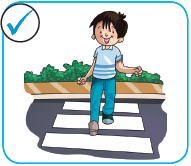
We can add safety to life by following some simple safety rules. We should be practical enough to follow safety rules wherever we go at home, school, on the road and even in the playground.
Safety at Home
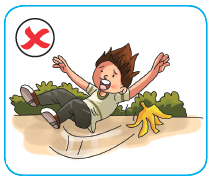
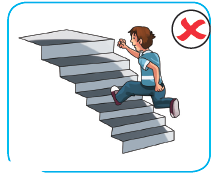
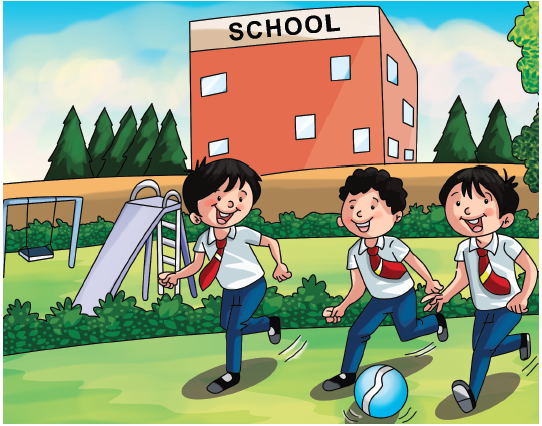
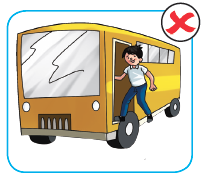
 First Aid
The immediate help given to an injured person is known as first aid.
Proper first aid given to a person can save the life of a person. First aid for wounds
We can add safety to life by following some simple safety rules. We should be practical enough to follow safety rules wherever we go at home, school, on the road and even in the playground.
Safety at Home
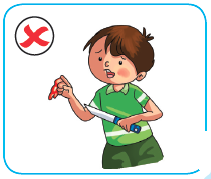
Never play with sharp instruments as you might get hurt.
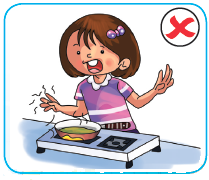
Never touch hot vessels; you may get burnt.
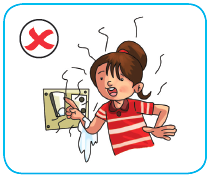
Never touch electric appliances with wet hands as you may get shock.
Never throw fruit and vegetable peels on the ground; you may slip over it.
Never run when climbing the stairs as you may fall.
Safety at School
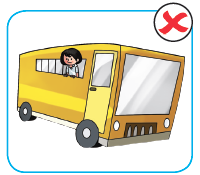
Never board or get down from a moving bus as you may get hurt.
Never take your head out from the window as it may injure you.
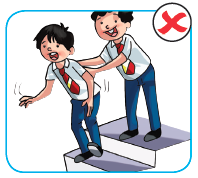
Never push other children while climbing or moving down from a stair case.
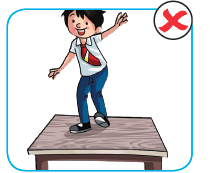
Never rock your chair or climb on the desk as you may fall down.
Safety in the Playground
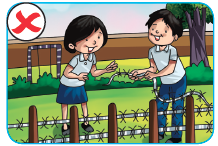
Never play near a thorny hedge or barbed wires as you get injured.
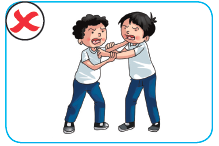
Always play a fair game. Never hurt your opponent.
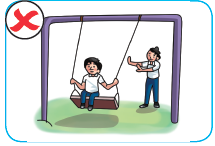
Never push others while you are on swings. Always wait for your turn.
Safety on the Road
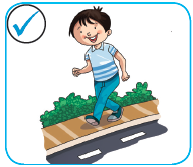
Always walk on the footpath.
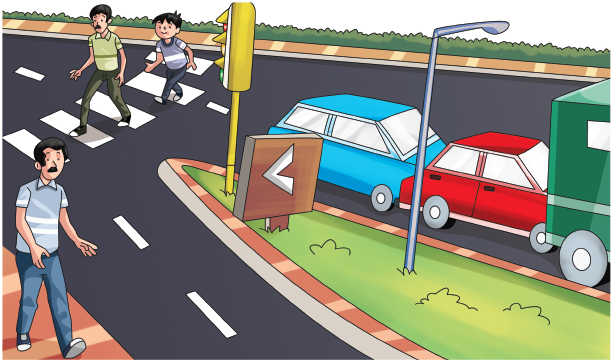
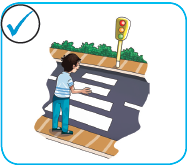
Cross the road only at zebra crossing.
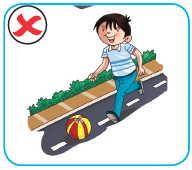
Never play on the road.
Before crossing, look to your right, then left and then right again. Then cross the road.
The immediate help given to an injured person is known as first aid.
Proper first aid given to a person can save the life of a person.

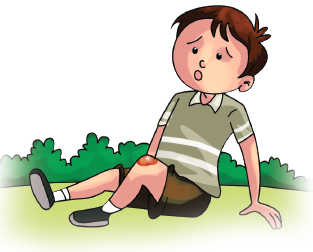
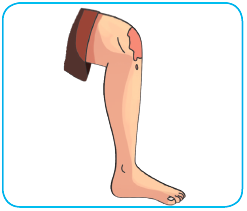
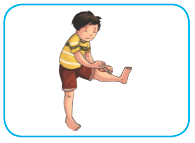
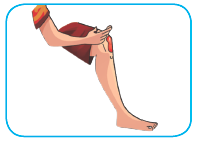
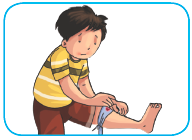
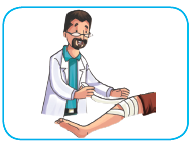
If someone gets hurt and the wound is bleeding; call for the doctor. Till the doctor comes follow the following steps :
Clean the wound with wet cotton.
Apply an antiseptic.
Tie a clean handkerchief or bandage over it.
Wait for the doctor to come.

05 / 07 / 2021, 07 / 07 / 2021
SCIENCE
CHAPTER- 3 DIGESTIVE SYSTEM

Topics to be covered:-
~Food pipe
~Stomach
~Small Intestine
~Large Intestine
~Anus
MAIN TEACHING :-
Oral and Explanation Online with some written work and slides.
Food pipe
Food pipe is also known as oesophagus. In a grown up person, it is eight to ten inches long. Food passes through this long tube to reach the stomach.
 Stomach
Food pipe is also known as oesophagus. In a grown up person, it is eight to ten inches long. Food passes through this long tube to reach the stomach.
The stomach is a hollow, muscular bag. The walls of the stomach secrete digestive juices called gastric juices. The juices in the stomach breakdown the proteins in the food.
 Small Intestine
From the stomach, the food is pushed into a long coiled tube called the small intestine. Three juices; intestinal juice, bile juice and pancreatic juice are poured into the small intestine. These juices help to complete the process of digestion. The digested food is absorbed by blood vessels which carry nutrients to all parts of the body.
 Large Intestine
The undigested food passes into the large intestine. Extra water is absorbed from the undigested food and carried to kidneys by blood vessels.
 Anus
Anus
It is the opening, through which solid waste is thrown out of the body.
From the stomach, the food is pushed into a long coiled tube called the small intestine. Three juices; intestinal juice, bile juice and pancreatic juice are poured into the small intestine. These juices help to complete the process of digestion. The digested food is absorbed by blood vessels which carry nutrients to all parts of the body.
The undigested food passes into the large intestine. Extra water is absorbed from the undigested food and carried to kidneys by blood vessels.
It is the opening, through which solid waste is thrown out of the body.
NOW WATCH THE VIDEOS TO HELP YOU UNDERSTAND BETTER:-

~~~~~~~~~~~~~~~~~~~~~~~~~~~~~~~~~~~~~~~~~~~~~~

14 / 06 / 2021, 16 / 06 / 2021
CHAPTER- 3 DIGESTIVE SYSTEM
SCIENCE
Topics to be covered:-
~Introduction
~Digestion
~Mouth
~Food pipe
~Stomach
~Small Intestine
~Large Intestine
~Anus
MAIN TEACHING :-
Oral and Explanation Online with some written work and slides.
Introduction
We eat food to remain alive. Food gives us energy. But the food has to be broken down into simpler substances so that it can be absorbed by our body. This process
is called digestion.
Digestion
The process in which complex food is broken down into simple, soluble substances so that it can be absorbed easily, is known as digestion.
 Mouth
Mouth
Food is taken into our mouth. Teeth present in the mouth chew and grind the food. When we chew, the food gets mixed with saliva. Saliva helps in the digestion of
starch and converts it into soluble sugar. It is secreted by three pairs of glands called salivary glands. They are located in the bottom and sides of mouth.
 Food pipe
Food pipe is also known as oesophagus. In a grown up person, it is eight to ten inches long. Food passes through this long tube to reach the stomach.
Stomach
The stomach is a hollow, muscular bag. The walls of the stomach secrete digestive juices called gastric juices. The juices in the stomach breakdown the proteins in the food.
Small Intestine
From the stomach, the food is pushed into a long coiled tube called the small intestine. Three juices; intestinal juice, bile juice and pancreatic juice are poured into the small intestine. These juices help to complete the process of digestion. The digested food is absorbed by blood vessels which carry nutrients to all parts of the body.
Large Intestine
The undigested food passes into the large intestine. Extra water is absorbed from the undigested food and carried to kidneys by blood vessels.
Anus
It is the opening, through which solid waste is thrown out of the body.
is called digestion.
Digestion
The process in which complex food is broken down into simple, soluble substances so that it can be absorbed easily, is known as digestion.
Food is taken into our mouth. Teeth present in the mouth chew and grind the food. When we chew, the food gets mixed with saliva. Saliva helps in the digestion of
starch and converts it into soluble sugar. It is secreted by three pairs of glands called salivary glands. They are located in the bottom and sides of mouth.
Food pipe is also known as oesophagus. In a grown up person, it is eight to ten inches long. Food passes through this long tube to reach the stomach.
The stomach is a hollow, muscular bag. The walls of the stomach secrete digestive juices called gastric juices. The juices in the stomach breakdown the proteins in the food.
From the stomach, the food is pushed into a long coiled tube called the small intestine. Three juices; intestinal juice, bile juice and pancreatic juice are poured into the small intestine. These juices help to complete the process of digestion. The digested food is absorbed by blood vessels which carry nutrients to all parts of the body.
The undigested food passes into the large intestine. Extra water is absorbed from the undigested food and carried to kidneys by blood vessels.
It is the opening, through which solid waste is thrown out of the body.

07 / 06 / 2021, 09 / 06 / 2021
CHAPTER- 2 TEETH AND ITS CARE
SCIENCE
Topics to be covered:-
~Structure of a Tooth
~ Kinds of Teeth
~Teeth and its Care
~How can you protect your teeth?
MAIN TEACHING :-
Oral and Explanation Online with some written work and slides.
Structure of a Tooth
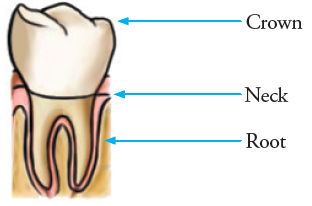
A tooth has three parts:
Crown : The part of the tooth which is visible to us.
Neck : The part of the tooth between root and crown.
Root : The part of the tooth which is inside the gum.
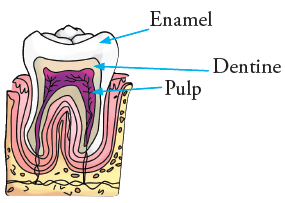
 If we cut a tooth into two halves (like an apple), we can see the various parts of a tooth.
1. The outer white and hard layer of crown is known as enamel.
2. The hard layer below the enamel is known as dentine.
3. The central part of the tooth is the pulp. The pulp is very soft and full of nerves and blood vessels.
 Kinds of Teeth
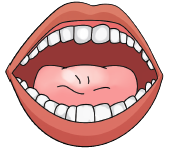
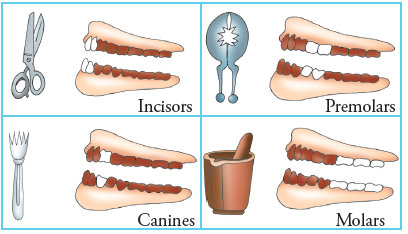
There are four kinds of teeth in a permanent set. All the teeth have different shape and size. They perform different functions. According to their function, they are
divided into four groups.
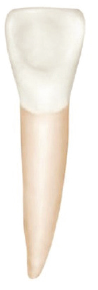
 Incisors (Cutting Teeth)
The four front teeth used for cutting and biting our foodare called Incisors. These are shaped like chisel.
1. There are four incisors in each jaw.
2. They have sharp and flattened edges.
3.Incisors are also called cutting teeth.
 Canines (Tearing Teeth)
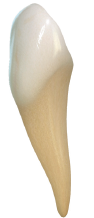
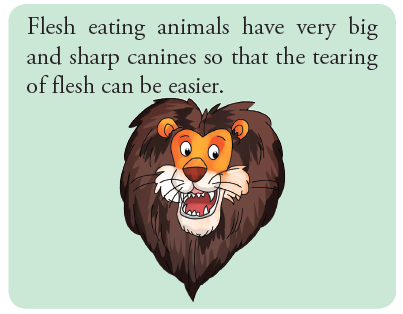
The sharp, cone shaped teeth used for tearing the food are called canines. They are sharp like pick axes.
1. There are two canines in each jaw.
2. Canines are found one on either side of the incisors.
3. Canines are used for tearing food.
4. Canines are sharp and cone shaped.
 Premolars (Cracking Teeth)
The broad teeth, next to canines used for cracking hard foods are called premolars. These act like nut crackers.
1. There are four premolars in each jaw.
2. Two premolars are present on either side of canines.
3. Premolars are broad teeth.
4. They are used for cracking hard food such as nuts.
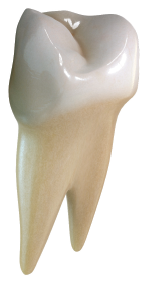 Molars (Grinding Teeth)
The broad and flat teeth used to chew and grind the food are called molars. They act like grinders.
1. There are six molars in each jaw.
2. Three molars are present on either side of molars.
3. Molars are bigger, flatter and broader teeth.
4. They are used for crushing and grinding of food.
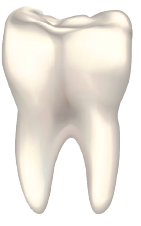
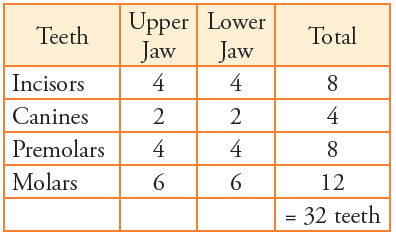 Teeth and its Care
Like other body parts, teeth also need proper care. If we don’t take proper care we will suffer from various problems like.
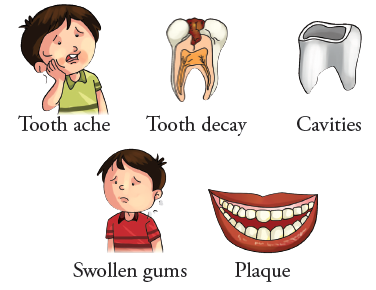 Why do tooth decay?
When we eat, small particles of food get stuck between the teeth. If we don’t brush our teeth, germs grow on these particles. These germs secrete an acid. This acid
dissolves the enamel and causes tooth to decay.
What is plaque?
The sticky yellow layer formed on the teeth due to breeding of germs is known as plaque.
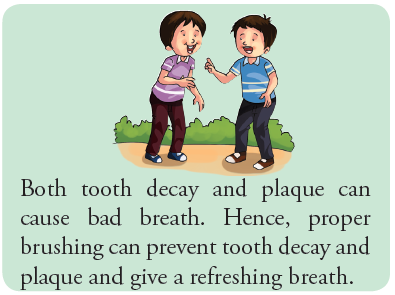 How can you protect your teeth?
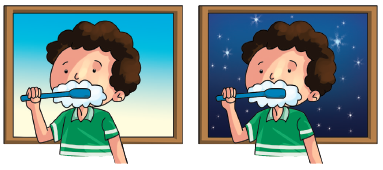
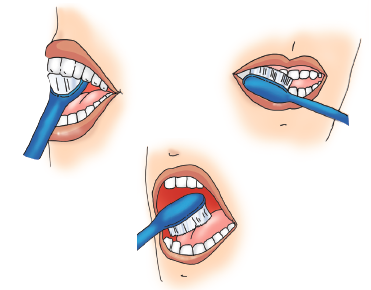

A tooth has three parts:
Crown : The part of the tooth which is visible to us.
Neck : The part of the tooth between root and crown.
Root : The part of the tooth which is inside the gum.
1. The outer white and hard layer of crown is known as enamel.
2. The hard layer below the enamel is known as dentine.
3. The central part of the tooth is the pulp. The pulp is very soft and full of nerves and blood vessels.
There are four kinds of teeth in a permanent set. All the teeth have different shape and size. They perform different functions. According to their function, they are
divided into four groups.
The four front teeth used for cutting and biting our foodare called Incisors. These are shaped like chisel.
1. There are four incisors in each jaw.
2. They have sharp and flattened edges.
3.Incisors are also called cutting teeth.
The sharp, cone shaped teeth used for tearing the food are called canines. They are sharp like pick axes.
1. There are two canines in each jaw.
2. Canines are found one on either side of the incisors.
3. Canines are used for tearing food.
4. Canines are sharp and cone shaped.
The broad teeth, next to canines used for cracking hard foods are called premolars. These act like nut crackers.
1. There are four premolars in each jaw.
2. Two premolars are present on either side of canines.
3. Premolars are broad teeth.
4. They are used for cracking hard food such as nuts.
The broad and flat teeth used to chew and grind the food are called molars. They act like grinders.
1. There are six molars in each jaw.
2. Three molars are present on either side of molars.
3. Molars are bigger, flatter and broader teeth.
4. They are used for crushing and grinding of food.
Like other body parts, teeth also need proper care. If we don’t take proper care we will suffer from various problems like.
When we eat, small particles of food get stuck between the teeth. If we don’t brush our teeth, germs grow on these particles. These germs secrete an acid. This acid
dissolves the enamel and causes tooth to decay.
What is plaque?
The sticky yellow layer formed on the teeth due to breeding of germs is known as plaque.
Brush your teeth twice a day-once in the morning and before going to bed.
Brushing the teeth
Brush your teeth up and down, in and out as shown in figures.
Rinse your mouth after every meal.
Clean your tongue using a tongue cleaner.
Massage your gums with your finger.
Avoid eating sweets and chocolates.
Visit your dentist regularly.
Eat hard fruits like apple. Avoid junk food.

02 / 06 / 2021
CHAPTER- 2 TEETH AND ITS CARE
SCIENCE
Topics to be covered:-
~Teeth
~ Functions of teeth
~Sets of teeth
MAIN TEACHING :-
Oral and Explanation Online with some written work and slides.
All living things need food to survive. This food is consumed and digested by all living beings. Human beings have a complex system to digest it. The digestion of food starts in the mouth where teeth chew and grind it and then pass it into foodpipe for further digestion.
1. Teeth
Teeth are white, hard and bony structures. They are fixed in jaws and help us in breaking down of food into smaller pieces.
1. Teeth
Teeth are white, hard and bony structures. They are fixed in jaws and help us in breaking down of food into smaller pieces.
2.Functions of teeth


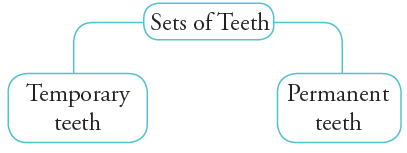 1. Temporary teeth : The first set of twenty teeth in a child is called temporary teeth or milk teeth.
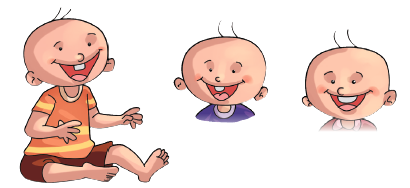 2. Permanent teeth : The second set of thirty two teeth in an adult is called permanent teeth.
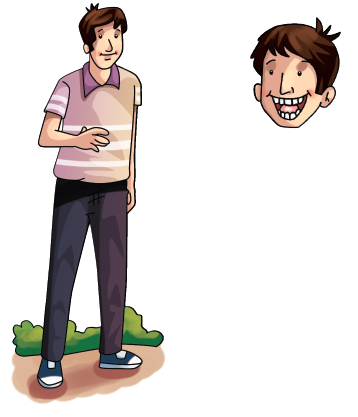
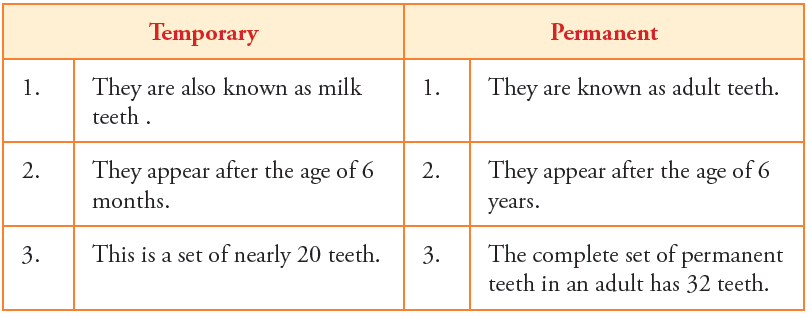
Teeth give proper shape to our face.
Teeth help us to speak clearly.
Teeth help in biting.
Teeth help to chew the food, so that it gets easily digested.
3.Sets of Teeth
We all are born without teeth. The first tooth appears when the baby is about 6 months old. The set is complete by the age of two years.NOW WATCH THE VIDEOS TO HELP YOU UNDERSTAND THE CHAPTER BETTER.
ASSIGNMENTS
Complete all the questions given below in your OCB (Online Classes Ex-books)
Complete Exercise A and B

27 / 05 / 2021
Chapter-1 FOOD
SCIENCE
Topics to be covered:-
~Vitamins
~Types of vitamins
~What is exercise?
~How do exercise help us?
MAIN TEACHING :-
Oral and Explanation Online with some written work and slides.
Vitamins
Vitamins protect us from diseases and keep our body healthy and fit. Our body needs small quantity of vitamins. Lack of vitamins in our diet cause deficiency
diseases. Fruits and vegetables are rich in vitamins.
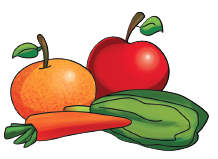 Types of Vitamins
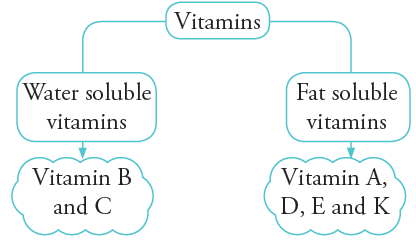 Few vitamins, their sources and deficiency diseases are given as under.
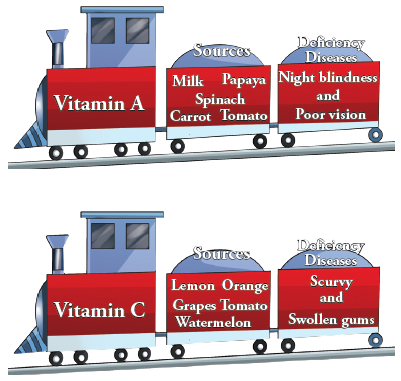
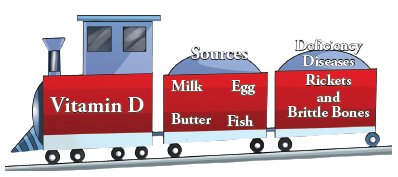
Vitamins protect us from diseases and keep our body healthy and fit. Our body needs small quantity of vitamins. Lack of vitamins in our diet cause deficiency
diseases. Fruits and vegetables are rich in vitamins.
What is exercise?
Any activity which involves the movement of your body is known as exercise.
For example - Brisk walking, swimming, playing etc.
 How do exercise helps us?
Exercise keeps us fit and strong. It helps us in many ways.
For example - Brisk walking, swimming, playing etc.
Exercise keeps us fit and strong. It helps us in many ways.
NOW WATCH THE VIDEOS TO HELP YOU UNDERSTAND THE CHAPTER BETTER.
ASSIGNMENTS
Complete all the questions given below in your OCB (Online Classes Ex-books)
1. Read the chapter thoroughly.
2. Make a chart of vitamins and their sources .
20 / 05 / 2021
Chapter- 1 FOOD
SCIENCE
Topics to be covered:-
~ Water
~ The role of water in food
~ Roughage
MAIN TEACHING :-
Oral and Explanation Online with some written work and slides.


NOW WATCH THE VIDEOS TO HELP YOU UNDERSTAND BETTER

Chapter- 1 FOOD
SCIENCE
Topics to be covered:-
~Components of food
MAIN TEACHING :-
Oral and Explanation Online with some written work and slides.
Carbohydrates
Carbohydrates provide energy to our body.
Sources
Proteins
Proteins are the building blocks of our body. They help in the
1. growth and repair of body
2. formation of new cells
3. help in repairing the damaged cells.
Sources
Fats
Fats provide a lot of energy to the body. They help to keep the body warm. Our body needs very little fat. Extra fat is stored in the body. This extra fat makes a person bulky and this condition is known as obesity.
Carbohydrates provide energy to our body.
Sources
Proteins are the building blocks of our body. They help in the
1. growth and repair of body
2. formation of new cells
3. help in repairing the damaged cells.
Sources
Fats provide a lot of energy to the body. They help to keep the body warm. Our body needs very little fat. Extra fat is stored in the body. This extra fat makes a person bulky and this condition is known as obesity.
Water
Water is not a nutrient but it helps in proper functioning of our body.
Sources
Almost all food products contain little or more amount of water. Some fruits and vegetables contain large amount of water.
Almost all food products contain little or more amount of water. Some fruits and vegetables contain large amount of water.
Functions
1. Water helps in digestion of food.
2. Water removes the waste from our body in the form of sweat and urine.
Roughage
The fibres present in all plant products constitute roughage. It does not have any nutritional value. It helps in removing the undigested food from our body easily.
Thus, it helps to prevent constipation.
Vitamins
Vitamins protect us from diseases and keep our body healthy and fit. Our body needs small quantity of vitamins. Lack of vitamins in our diet cause deficiency
diseases. Fruits and vegetables are rich in vitamins.
Minerals
Minerals are the substance that help in the formation of healthy bones, teeth and blood. Lack of minerals also causes deficiency diseases. Some of the minerals and their deficiency diseases are listed below :
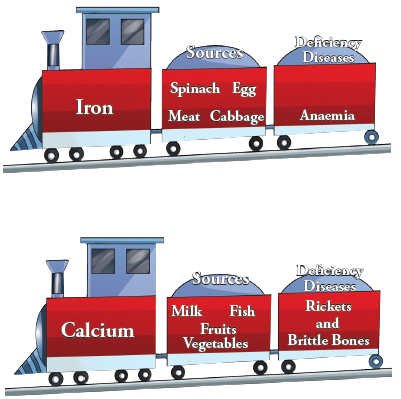
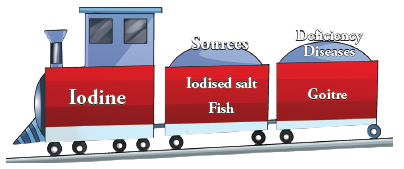
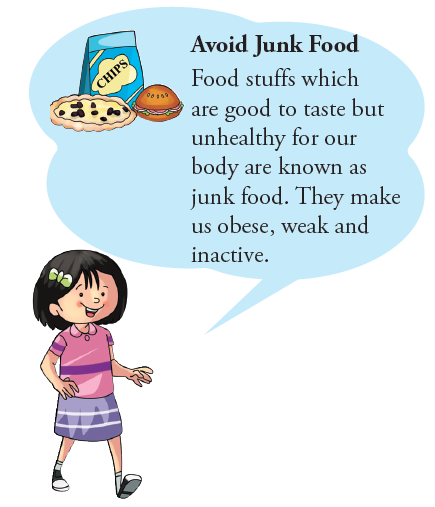 What is exercise?
Any activity which involves the movement of your body is known as exercise.
For example - Brisk walking, swimming, playing etc.
How does exercise help us?
Exercise keeps us get fit and strong. It helps us in many ways.
Minerals are the substance that help in the formation of healthy bones, teeth and blood. Lack of minerals also causes deficiency diseases. Some of the minerals and their deficiency diseases are listed below :
Any activity which involves the movement of your body is known as exercise.
For example - Brisk walking, swimming, playing etc.
Exercise keeps us get fit and strong. It helps us in many ways.
NOW WATCH THE VIDEOS TO HELP YOU UNDERSTAND BETTER.
ASSIGNMENTS
Complete all the questions given below in your OCB (Online Classes Ex-books)
Complete Exercise D,E and F in your OCB

06 / 05 / 2021
Chapter- 1 FOOD
SCIENCE

~Introduction
What is food ?
Food is a substance containing nutrients which fills our stomach and satisfies our hunger.
Food is a substance containing nutrients which fills our stomach and satisfies our hunger.


